What You Need to Know to Stay Safe from Faulty Wiring
You can’t see what’s happening inside your walls, but faulty wiring might be putting your home at risk every day. Whether it’s frayed wiring, loose connections, or outdated wiring, electrical faults are one of the leading causes of house fires in the UK.
At TS Electrical, we’re called out every month to diagnose wiring issues in homes across East Sussex and Kent. Some are minor and easily fixed. Others have gone unnoticed for years and are verging on dangerous.
This blog is your guide to understanding the signs of faulty electrical wiring, how it affects your safety, and what to do if you’re concerned about your system.
Can Faulty Wiring Cause Fires?
Yes, and it’s one of the most common fire hazards in residential properties.
Over time, cables degrade, insulation becomes brittle, and circuits get overloaded. Faulty wiring can lead to short circuits, sparks, and overheating, especially around extension cords, light fittings, or overloaded sockets. If the wire makes contact with something flammable, the result can be devastating.
Signs like a burning smell, scorch marks, or frequent trips on your consumer unit shouldn’t be ignored. These are all red flags that an electrical hazard may be present.
Can Faulty Wiring Cause High Electricity Bills?
It can, and here’s how.
When your electrical components are worn or not working efficiently, they draw more power than necessary. Faulty circuits can also cause your electrical appliances (like washing machines or ovens) to use more energy or fail to shut off properly. This lack of energy efficiency adds up quickly on your monthly bill.
In homes with outdated wiring, the system often isn’t suited to modern energy demands. That mismatch can drive up electricity bills, even when your usage habits haven’t changed.
What Are the Causes of Faulty Electrical Wiring?
Here are some of the most common causes we see on the job:
- Ageing or damaged cables from wear and tear
- Poor electrical work done by unqualified installers
- Rodent damage or physical impact from home improvements
- Overloaded circuits due to new appliances or extensions
- Incorrect connections in junction boxes or backboxes
Even well-installed systems can develop faults over time. That’s why regular inspection and testing is so important.

What Are the Signs of Faulty Wiring?
If you notice any of the following, it’s time to call a qualified electrician:
- Flickering or dimming lights
- Sockets that feel warm or buzz when used
- Persistent tripping on your consumer unit
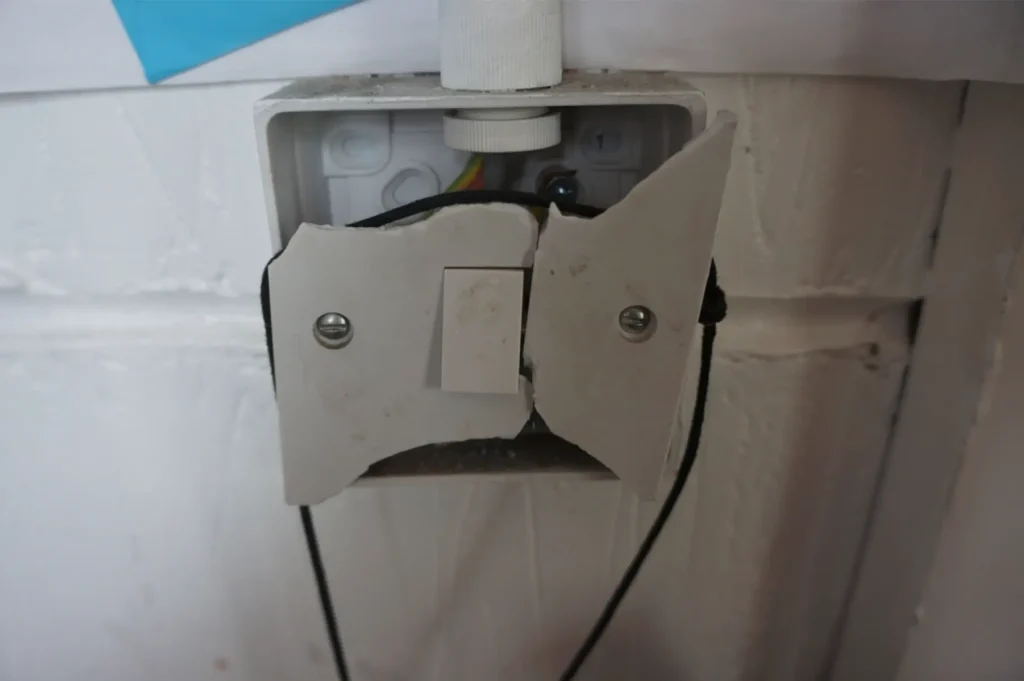
- Discoloured outlets or switches
- A persistent burning smell or electrical odour
- Small shocks when plugging things in
- Old extension cords used as permanent wiring
These aren’t simple annoyances; look at them as warning signs. Left unchecked, they can result in fire, property damage, or injury.
How Do Electricians Check for Faulty Wiring?
At TS Electrical, we follow a thorough process to identify and diagnose faulty wiring:
- Visual inspection: Looking for visible wear, damage, or signs of overheating.
- Testing equipment: Using calibrated tools to check voltage, resistance, and continuity.
- Load testing: Ensuring circuits are not overloaded and are functioning as intended.
- EICR: Producing a full Electrical Installation Condition Report to detail findings and recommend actions.
We carry out a structured assessment aligned with current safety standards, and it can uncover faults you may not even realise exist.
What Should You Do if You Suspect Faulty Wiring?
The safest course of action is to leave it alone and call a qualified electrician. Never try to open sockets or consumer units unless you’re trained.
At TS Electrical, we can:
- Assess your full system for signs of faulty wiring
- Recommend partial or full rewiring if needed
- Help reduce your energy bills by improving energy efficiency
- Upgrade old systems to meet modern electrical safety standards
We set out to leave your home fully protected and give you peace of mind.
Concerned about faulty wiring in your property? Speak to TS Electrical for a safety-first inspection and expert advice.
📧 info@tselectricalservice.co.uk

FAQs
Can faulty wiring cause fires?
Yes, it’s one of the leading causes of domestic fires. Signs like a burning smell or frequent trips on your consumer unit should be taken seriously.
Can faulty wiring increase electricity bills?
It can. Inefficient or damaged wiring can cause appliances to draw more power than necessary, driving up your bills.
What are the main causes of faulty wiring?
Age, rodent damage, poor installation, overloaded circuits, and accidental damage during DIY work are all common causes.
What signs should I look for?
Flickering lights, warm sockets, discolouration, odd smells, and tripping circuits are all signs of faulty wiring.
How do electricians check for faulty wiring?
We use specialist testing equipment, visual checks, and detailed reports (like an EICR) to assess your system.
Can I fix faulty wiring myself?
No. Wiring faults are potentially dangerous and should always be handled by a qualified, registered electrician.