Interior Lighting Design That Makes Your Home Feel Finished
Interior lighting design can completely change how a home feels when it is planned before the fittings are chosen. From lighting design for home renovations to smaller upgrades in a living room or dining room, every light source should have a purpose. At TS Electrical, we look at both the room and the installation behind it.
Quick Summary
Good interior lighting design is not about one ceiling light doing everything. The best results usually come from layered lighting, combining ambient lighting, task lighting and accent lighting across the room. That might include ceiling lights, wall lights, floor lamps, dimmable circuits and well-placed switches. With the right plan, lighting design for home projects can make rooms warmer, more practical and easier to enjoy.
Why Interior Lighting Design Needs More Than One Light
A single central pendant may technically light a room, but it rarely lights it well. It can create shadows, leave corners feeling dull and give you only one setting: on or off. For 2026 homes and beyond, lighting schemes work better when several layers are used together.
In practical terms, we usually think about three main lighting layers:
- Ambient lighting for the general brightness of the room.
- Task lighting for reading, cooking, dressing or working.
- Accent lighting for features, artwork, shelving, alcoves or texture.
Choosing the right fittings also gives homeowners the chance to use energy efficient lightbulbs, especially where lights are used every day or left on for longer periods.
This is useful in Sussex homes where layouts vary so much. A period property in Hastings may need sensitive lighting around original features, while a newer home may need more warmth, zoning and character.
How We Plan Lighting Design for Home Projects
Lighting design for home projects should start with how the room is used. Where do you sit? Where do you read? Which routes through the room need clear visibility? Which parts should feel softer in the evening?
A good process usually looks like this:
- Understand how the room is used during the day and evening.
- Identify where ceiling lights, wall lights and other light sources would help.
- Decide which lights should be grouped on separate switches.
- Consider dimmers, smart controls or two-way switching where useful.
- Plan safe cable routes, neat installation and future access.
As NICEIC-approved electricians working across Hastings and East Sussex, we also consider what is practical behind the scenes. TS Electrical’s site describes their domestic services as covering lighting, sockets, power distribution and rewires, while NICEIC advises homeowners to use registered electricians because electrical safety cannot always be judged from appearance alone.
Choosing the Right Light Sources
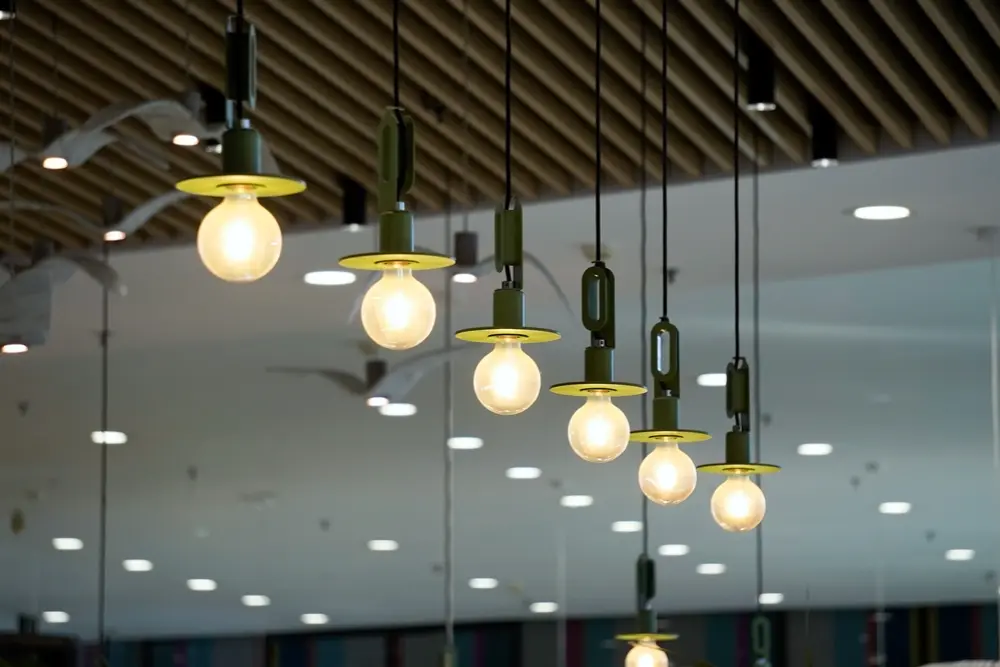
Different fittings do different jobs. The best lighting schemes usually mix fixed and flexible light sources, so the room can adapt throughout the day.
Why Placement Matters More Than People Think
Placement affects shadows, glare, comfort and how the eye moves around a room. A downlight above a sofa may feel harsh. A wall light beside a fireplace may create warmth. Floor lamps can soften corners without major electrical changes, while ceiling lights provide practical brightness when positioned properly.
| Area of the Home | Useful Lighting Choices | What It Helps With |
| Living room | Wall lights, floor lamps, dimmable ceiling lights | Relaxing, reading and evening atmosphere |
| Dining room | Pendant lighting, wall lights, accent lighting | Table focus and a warmer social feel |
| Kitchen | Ceiling lights, under-cabinet lighting, task lighting | Food preparation and safe movement |
| Bedroom | Wall lights, bedside lighting, soft ambient lighting | Comfort, dressing and winding down |
Lighting Ideas for Living Rooms and Dining Rooms
The living room is usually where layered lighting earns its keep. You may want bright light for cleaning, softer light for watching television and focused light for reading. One circuit rarely does all of that well.
For a living room, we might recommend:
- Wall lights to soften the edges of the room.
- Floor lamps near seating areas.
- Dimmable ceiling lights for practical brightness.
- Accent lighting around shelving, pictures or alcoves.
Dining room lighting has a different job. The table is normally the focus, but the rest of the room still needs balance. A pendant over the table can work well, but it should not be the only light source. Wall lights or discreet accent lighting can stop the room feeling like a bright table floating in a dark box.
Common Lighting Mistakes We See in Sussex Homes
Poor lighting design often comes from leaving decisions too late. Common issues include ceiling lights placed without thinking about furniture, too many downlights in a small room, awkward switch positions, cool bulbs used where warm light would feel better, and no dimming or zoning where the room has more than one purpose.
Why Professional Lighting Installation Matters
Interior lighting design is partly creative, but it is still electrical work. Safe installation, correct connections, suitable fittings, appropriate switching and proper testing all matter. A beautiful lighting scheme is not a success if it causes faults or awkward future maintenance.
Good lighting should feel natural once it is finished. You should not be thinking about wiring, circuits or switch layout every time you enter the room. It should simply work, giving you the right brightness, atmosphere and control for the way you live.
For homeowners in Sussex planning lighting design or room upgrades, we can help turn ideas into a safe and practical installation. The right lighting can make the whole space feel more considered, comfortable and complete.
If you liked this, you will also like: Underwater Pond Lights FAQs
📧 info@tselectricalservice.co.uk
Frequently Asked Questions About Interior Lighting Design For Homes in 2026
Is Interior Lighting Design Worth It for a Normal Family Home?
Yes, especially if the room feels flat, gloomy or awkward to use. Interior lighting design is not just for large renovation projects. It can help everyday homes feel warmer, more practical and better planned, even if you are only updating one or two rooms.
How Much Difference Can Better Lighting Make to a Room?
More than most people expect. Lighting can make a room feel larger, calmer, cosier or more focused depending on how it is planned. It can also draw attention to the best parts of the room and make weaker areas feel less noticeable.
Should I Choose My Light Fittings Before Speaking to an Electrician?
It is usually better to speak to an electrician before buying everything. Some fittings need specific wiring, suitable fixings, compatible dimmers or careful positioning. Getting advice first can help you avoid buying lights that do not work properly with the room or existing electrics.
Can Lighting Be Improved Without Redecorating the Whole Room?
Yes. In some homes, a few well-planned changes can make a noticeable difference. This might include replacing outdated fittings, adding wall lights, improving switch positions or using dimmers. The amount of disruption depends on the existing wiring and the type of changes needed.
What Is the Best Lighting for a Dark Living Room?
A dark living room usually needs more than a brighter bulb. It may need light in different parts of the room, such as corners, walls, seating areas and feature points. This helps the space feel more balanced instead of relying on one harsh central light.
Are Downlights Always the Best Option for Modern Homes?
Not always. Downlights can be useful, but too many can make a room feel clinical or create glare. They work best when they are positioned carefully and used alongside other lighting, rather than being treated as the automatic answer for every room.
Can an Electrician Help with Lighting Ideas, or Just Installation?
A good electrician can usually help with both. While interior designers may focus more on the visual styling, electricians can advise on what is safe, practical and achievable. That includes wiring, switching, dimming, load, fitting suitability and installation options.
Why Do Some Rooms Still Feel Gloomy Even With Bright Bulbs?
Brightness is only one part of good lighting. A room can still feel gloomy if the light is in the wrong place, the wall colours absorb too much light, corners are left dark or the fittings create shadows. Better placement often works better than simply increasing bulb strength.
Should Hallways and Landings Be Included in a Home Lighting Plan?
Yes, because they affect how the whole home feels. Hallways, stairs and landings are often treated as an afterthought, but they matter for safety, atmosphere and first impressions. Well-planned lighting can make these spaces feel more welcoming and easier to move through.
Can Lighting Add Value to a Home?
Good lighting can help a home feel more considered, comfortable and up to date. It may not add value in the same obvious way as a new kitchen or bathroom, but it can improve how rooms present to buyers and how enjoyable the home feels day to day.