What Is an AFDD? A Straightforward Guide for Homeowners and Landlords
If you’ve been told you might need an AFDD, the natural response is usually: “…What is an AFDD?”
That’s fair. AFDDs sound technical, and most people only hear about them when they’re upgrading a consumer unit, sorting out a rental property, or discussing electrical safety in a building with higher risk factors.
So let’s strip it back. This blog explains what an AFDD is, where AFDDs are required or recommended, and whether they’re mandatory in domestic settings.
What is an AFDD?
An AFDD is an Arc Fault Detection Device. It’s a form of circuit protection designed to detect dangerous electrical arcing and disconnect the circuit before that fault develops into a fire.
A normal circuit breaker protects against overloads and short circuits. An RCD protects against certain earth faults. An AFDD adds another layer by looking for arc faults, which can happen when electricity jumps across a damaged or poor connection.
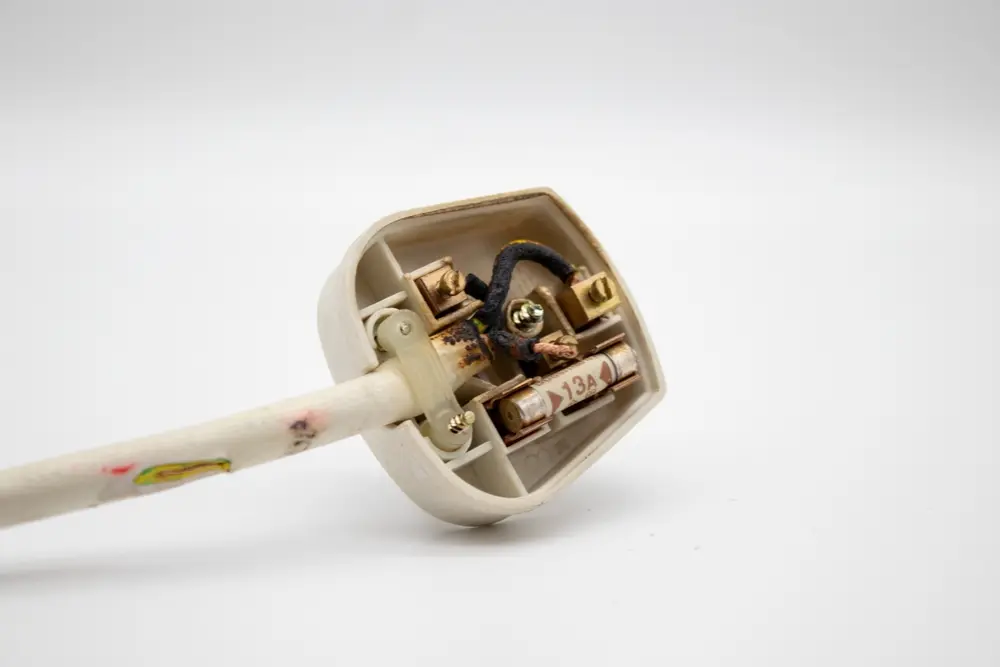
That matters because arc faults are often linked to loose connections, damaged cables, crushed flexes, and worn accessories. Those faults can generate heat quietly in the background, which is why AFDD protection is mainly about preventing electrical fires.
Why AFDD protection matters
The tricky thing about arc faults is that they can sit there unnoticed. A damaged cable behind furniture, a worn socket, or a poor connection in an accessory can all create an arcing fault without producing an obvious problem straight away.
That is what makes them a concern in bedrooms, rented accommodation, and buildings where evacuation could be slower or more difficult. AFDDs are designed to spot that pattern early and cut the power before it becomes a serious electrical safety issue.
For a homeowner, that can sound like another technical extra. For a landlord, estate manager, or anyone responsible for people sleeping in a building, it becomes much more relevant.
Where are AFDDs required?
This is where the conversation usually gets a bit muddled.
AFDDs are covered in the wiring regulations BS 7671. The regulation people refer to is Regulation 421.1.7.
That regulation points to situations where AFDDs are recommended because the fire risk is more serious. These include:
- Care homes
- Houses in multiple occupation (HMO)
- Purpose built student accommodation
- Higher risk residential buildings (HRRB)
- Some forms of sleeping accommodations
So when people search “where are AFDDs required”, the practical answer is that they are aimed at higher-risk settings, especially where people sleep or where the consequences of a fire could be severe.

Are AFDD mandatory in domestic buildings?
This is the big question, and the short answer is no, not in every domestic property.
AFDDs are not universally mandatory in an ordinary single-family home. They are, however, strongly considered in certain situations and building types.
In standard domestic properties, AFDDs are recommended rather than automatically required. In buildings with higher risk, shared occupation, or sleeping accommodation, they become much more significant.
That means AFDD requirements depend on context. A typical homeowner doing a straightforward consumer unit change may not always need them. A landlord dealing with an HMO is in a different position entirely.
What circuits are AFDDs used on?
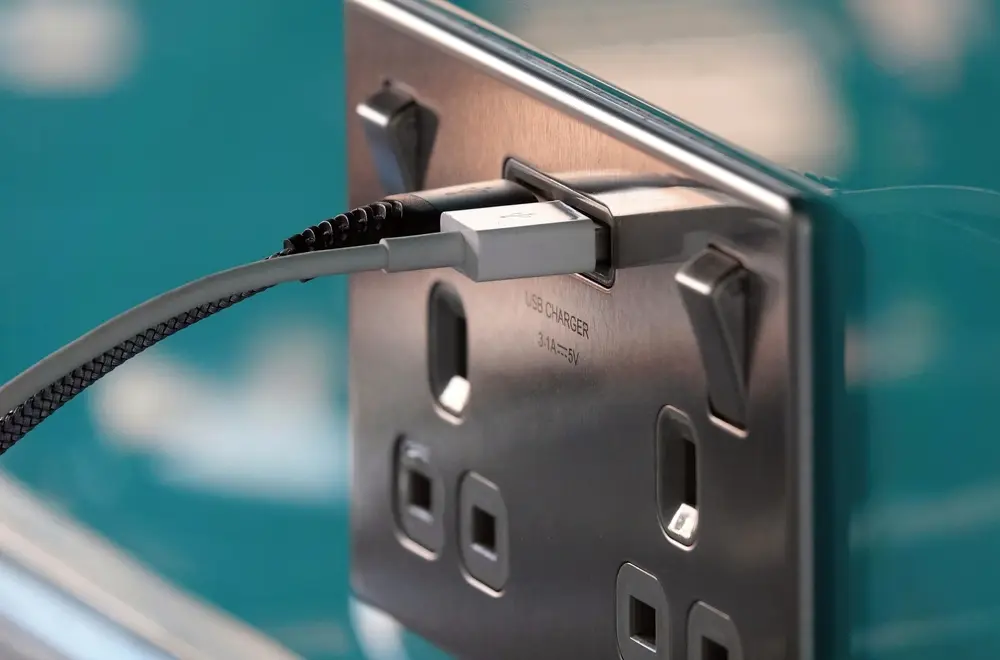
AFDDs are usually considered for circuits supplying socket outlets, because those circuits see a lot of day-to-day wear. Plugging in appliances, extension leads, chargers, and portable equipment increases the chance of damage or poor contact over time.
You’ll often see references to:
- Final circuits supplying socket
- AC final circuits supplying
- Final circuits supplying socket outlets
In plain English, that means the parts of the installation where portable electrical use is heaviest, and where unnoticed damage is more likely to happen.
Should you install AFDDs?
That depends on the property, the risk profile, and what the installation is being used for.
In some properties, upgrading standard circuit protection may be enough. In others, particularly care homes, HMOs, student buildings, or certain sleeping accommodations, installing AFDDs becomes a much stronger recommendation.
The right approach is not to throw devices at every board for the sake of it; it’s to assess the building, the users, and the level of risk properly.
How TS Electrical can help
At TS Electrical, we keep this sort of advice practical. If you’re upgrading a consumer unit, managing a rental property, or trying to understand what BS 7671 means for your building, we can help.
We’ll look at the use of the property, the current installation, and whether AFDD protection is recommended for your circuits. That way, you get advice based on risk and real-world use, not jargon.
If you want clear guidance on AFDD requirements, give us a call.
📧 info@tselectricalservice.co.uk

FAQs
What is an AFDD?
An AFDD is an Arc Fault Detection Device. It detects dangerous electrical arcing and disconnects the circuit to help prevent electrical fires.
Where are AFDDs required?
They are recommended in higher risk settings such as care homes, HMOs, purpose built student accommodation, HRRB, and certain sleeping accommodations, as referenced in BS 7671 2018 A2 2022 Regulation 421.1.7.
Are AFDD mandatory in domestic properties?
Not universally. AFDDs are recommended for certain domestic situations, especially higher risk residential buildings or accommodation where people sleep and evacuation may be harder.
What are AFDD requirements based on?
AFDD requirements are linked to risk, building type, and circuit use, particularly circuits supplying socket outlets.
Do AFDDs replace RCDs or circuit breakers?
No. They add another layer of circuit protection. A circuit breaker protects against overload and short circuits, while AFDDs target arc faults.
Should I install AFDDs when upgrading a consumer unit?
It depends. If the property falls into higher risk categories or the circuits are high risk, AFDD protection may be recommended.
Which circuits usually get AFDD protection?
Often final circuits supplying socket outlets, particularly in sleeping areas, HMOs, and similar higher risk settings.
Can AFDDs help prevent electrical fires?
Yes. They are designed specifically for preventing electrical fires caused by arc faults from loose connections or damaged wiring.
Do AFDDs trip often?
When installed correctly, nuisance tripping should be uncommon. If tripping happens, it is usually a sign of an underlying electrical issue.
Can TS Electrical advise on AFDDs for my property?
Yes. We can assess your installation and advise whether AFDDs are recommended for your building type and usage.