Looking for Tips to Reduce Energy Bills?
Most of us know to switch off the lights when we leave a room, but fewer people think about what happens when appliances are left on standby power. TVs with the red dot glowing, gaming consoles left on pause, chargers plugged in long after your phone is fully charged, they’re all quietly using electricity. While each device may only sip a small amount of power, across an average UK household those sips quickly add up to real money on your energy bills.
Below, we’ll explore how much power is used on standby, which appliances are the worst offenders, and how to reduce your energy costs without making your home less convenient.
What is Standby Power?
Standby power is the electricity consumption of electrical appliances when they’re left plugged in but not in active use. It’s sometimes called “phantom load” or “vampire power.” Even when a device looks switched off, internal circuits remain active.
Examples include:
- A TV on standby waiting for the remote signal
- A router that is never switched off
- A phone charger left plugged in after the phone is fully charged
- A gaming console left on rest mode overnight
Your smart meter may show a base level of energy consumption even when you think everything is off. That’s standby power in action.
How Much Power Does a TV Use on Standby?
A modern TV on standby uses around 1–3 watts, which doesn’t sound like much. But multiply that across the year and you could be paying £10–15 just for one television to sit idle. Older TVs can use far more. Add in a sound system, satellite box, and streaming stick, and your energy consumption is higher than most people expect.
In an average UK household, appliances left on standby can account for 9-16% of total electricity consumption. That’s not insignificant, especially with today’s price cap keeping bills higher than they used to be.
The Hidden Cost of Gaming Consoles and Chargers
Gaming consoles are some of the worst culprits for standby power consumption. A console left in rest mode can use between 10–15 watts, and even more if background downloads are running. Over a year, that could cost £30–50 depending on your tariff.
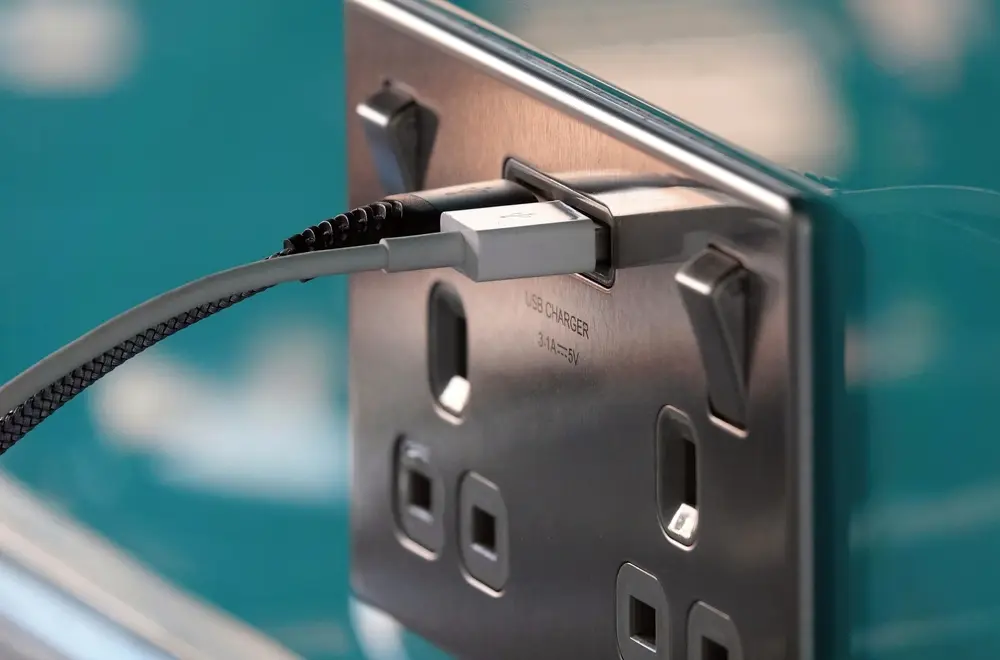
Chargers are another source of wasted energy. Leaving a phone or laptop charger plugged in when it’s not connected to a device still draws power. It may be small, but if you’ve got multiple chargers across the house, the costs build up.
Do Devices Left on Standby Really Matter?
Yes, especially when combined. Here’s what standby power consumption might look like in a typical home:
- TV on standby: £15 per year
- Gaming console rest mode: £40 per year
- Wi-Fi router: £20–30 per year
- Kitchen appliances with clocks/displays: £20 per year
- Assorted chargers: £10 per year
Suddenly, you’re looking at £100–120 annually just for devices on standby. That’s money you could save without any loss of comfort or convenience.

How to Reduce Standby Power and Save Money
You don’t need to start unplugging everything obsessively, but some simple steps can reduce your energy usage significantly:
- Unplug fully charged devices: Once your phone or laptop hits 100%, disconnect the charger.
- Switch off at the wall: Turn off TVs, gaming consoles, and kitchen appliances when not in use.
- Use smart plugs: These let you cut power to devices on a schedule or via your phone. Perfect for appliances you forget about.
- Group appliances: Plug your TV, soundbar, and console into a single power strip with a switch for easy control.
- Upgrade inefficient kit: Some older appliances are much less energy efficient than modern replacements.
Where an Electrician Can Help
This is where TS Electrical can make a difference. Beyond advice on unplugging appliances, we can install practical solutions to help households reduce energy bills:
- Smart sockets and switches: Control standby devices remotely or on timers.
- Whole-room solutions: For home offices, living rooms, and entertainment spaces, we can design circuits that allow one switch to shut down all non-essential devices.
- Energy efficient upgrades: From LED lighting to modern consumer units, we help reduce overall electricity consumption.
- Advice tailored to your home: Every household has different habits. We’ll show you where you’re losing money and how to fix it.
Our goal is simple: help you save energy, save money, and protect what matters.
Final Thought
Standby power may seem minor, but across the year it’s costing the average UK household more than most people realise. By understanding how devices on standby increase your energy costs, and by making small changes, you can reduce your energy bills without changing your lifestyle.
And if you want to go a step further, TS Electrical is here to help with trusted electrical support that makes cutting energy usage simple and stress-free.
📧 info@tselectricalservice.co.uk

FAQs
Does unplugging appliances really save money?
Yes. Reducing standby power consumption can save £100+ a year in the average household.
How much power does a TV use on standby?
Most modern TVs use 1–3 watts, but older models may use more.
Should I unplug my phone charger when not in use?
Yes. Chargers still draw power even when nothing is connected.
Do gaming consoles use power on standby?
Yes. Rest mode can use 10–15 watts, costing up to £40 a year.
Is it bad to leave appliances on standby?
It’s not dangerous, but it does waste energy and money unnecessarily.
Can an electrician help reduce standby power?
Absolutely. We can install smart sockets, timers, and efficient circuits to make saving energy effortless.