Air conditioning requirements are easy to overlook when you are mainly thinking about where the indoor unit will go and how quickly it will cool the room. However, a fixed air conditioner also needs a suitable electrical supply, and that may involve more than finding the nearest socket.
In many UK homes, installing air conditioning is perfectly manageable without major alterations. In others, an older consumer unit, limited spare capacity or unsuitable circuit protection may need to be dealt with first.
Quick Summary
The air conditioning requirements for your home will depend on the system being installed, the number of rooms it serves and the manufacturer’s instructions. A smaller single-room unit may only need a straightforward dedicated circuit, while a larger multi-room system can place more demand on the installation. A consumer unit upgrade is not automatically required, but the existing electrics should be checked before work begins.
Start With the Air Conditioning System
There is no single air conditioning requirement that applies to every air conditioner. A compact unit serving one bedroom will not have the same electrical demand as a system providing heating and cooling across several rooms.
The electrician will need the technical information for the chosen AC units, including their maximum current, power input and protective device requirements. This is important because the cooling output advertised by the manufacturer is not the same as the electricity the system consumes.
Room size also matters. A large living area, conservatory or heavily glazed room may need a more powerful air conditioner to maintain a comfortable temperature. More powerful equipment can mean greater electrical demand, so the AC installer and electrician should be working from the same specification.
What Electrical Work Might Be Needed?
Most permanently installed systems need a fixed electrical connection rather than simply being plugged into a convenient socket. Depending on the equipment and the existing installation, the job may involve:
- A new circuit from the consumer unit
- Correctly sized cabling
- Suitable RCD or RCBO protection
- A local isolation switch
- Electrical supplies for indoor and outdoor equipment
- Testing and certification once the work is complete
The final design should always follow the manufacturer’s instructions. Guessing from the size of the unit or using the requirements of a different model is not a safe substitute.
| Type of Air Conditioning | Typical Electrical Consideration |
| Portable unit | Suitable socket and no overloaded extension leads |
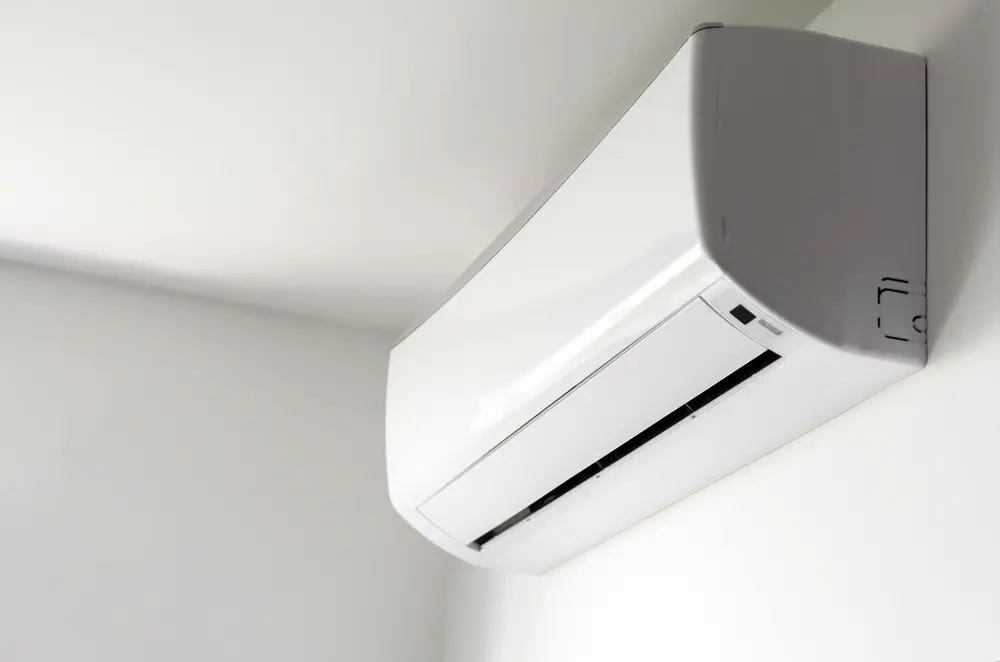
| Single-room split system | Often requires its own fixed supply |
| Multi-split system | Greater combined demand and careful circuit design |
| Larger domestic or commercial system | May need more substantial alterations to the electrical installation |
Does Air Conditioning Need a Dedicated Circuit?
In many cases, yes. A dedicated circuit gives the air conditioner its own electrical supply rather than sharing with sockets, kitchen appliances or other equipment.
This does not necessarily mean the work will be disruptive. The process will usually follow four stages:
- Check the system’s electrical specifications.
- Inspect the existing consumer unit and available capacity.
- Plan a suitable cable route and isolation point.
- Install, test and certify the new circuit.
A dedicated circuit also makes future maintenance easier because the air conditioning system can be isolated without switching off unrelated equipment elsewhere in the property.
Will You Need a Consumer Unit Upgrade?
Not always. A modern consumer unit with spare ways and suitable protection may be able to accept the new circuit without any further work.
A consumer unit upgrade may be worth discussing where the existing board:
- Is already full
- Contains outdated protective devices
- Shows signs of heat damage or deterioration
- Cannot provide the protection required for the new circuit
- Forms part of an installation with other safety concerns
The age of the consumer unit alone does not decide the answer. Its condition, design and suitability for the proposed work are more important.
What Will the Electrician Check?
Before adding the load, the electrician may look at the incoming supply, main protective devices, earthing, bonding and the condition of the relevant parts of the installation. The Government’s Approved Document P states that existing equipment should be suitable for the additional load and that adequate protective measures must be in place.
Older Electrics Do Not Automatically Mean a Full Rewire
Finding an older consumer unit does not mean every cable in the house needs to be replaced. Sometimes the required work is limited to a new circuit or board upgrade. Where there are wider concerns, an Electrical Installation Condition Report can provide a clearer picture of the installation’s overall condition.
How Much Energy Will Air Conditioning Use?
Energy consumption depends on far more than the label on the side of the unit. Room size, insulation, window area, temperature settings and how long the system runs will all affect your energy bills.
Choosing an energy efficient system is important, but correct sizing matters just as much. An undersized unit may spend long periods working hard without cooling the room effectively. An oversized system can also be a poor choice if it repeatedly starts and stops rather than operating steadily.
You can keep running costs under better control by:
- Keeping doors and windows closed while cooling
- Using sensible temperature settings
- Cleaning filters as recommended
- Reducing direct sunlight with blinds or curtains
- Only cooling rooms that are in use
For rooms that only become uncomfortable during occasional warm spells, a ceiling fan may provide enough air movement without the energy consumption of full air conditioning.
Can the Same System Provide Heating?
Many modern split systems operate as air-to-air heat pumps, which means they can provide warm air as well as cool air. They move heat between the inside and outside of the property rather than relying on a traditional heating element.
The Energy Saving Trust’s guide to air-to-air heat pumps explains that they can suit smaller homes and flats, although performance and running costs depend heavily on system design and how the equipment is used.
It is also worth remembering that most domestic systems recirculate the air already inside the room. Air conditioning is therefore not a replacement for proper ventilation. A broader overview of how air conditioning removes heat from indoor spaces is available on Wikipedia.
Check the Electrics Before Installation Day
The easiest time to deal with air conditioning power requirements is before the AC units arrive. An early electrical assessment gives everyone a clear idea of what is needed, where cables can run and whether any consumer unit work should be included in the project.
TS Electrical can inspect your existing installation and complete the electrical work required for installing air conditioning in your home or business.
📞 01424 277030
📧 info@tselectricalservice.co.uk
If you liked this, you may also like: Case Study: 8 Years of Trusted Electrical Work
Frequently Asked Questions About Air Conditioning Requirements
Does Air Conditioning Need Its Own Electrical Circuit?
Many fixed air conditioning systems need a dedicated circuit, although the exact requirement depends on the manufacturer’s instructions. A separate circuit prevents the unit from sharing power with sockets and other appliances. It also allows the system to be isolated safely for maintenance.
Can Air Conditioning Be Connected to a Normal Plug Socket?
Portable air conditioners are normally designed to use a suitable household socket. Permanently installed split systems usually need a fixed electrical connection instead. Extension leads should not be used unless the manufacturer specifically confirms that they are suitable.
Will I Need a Consumer Unit Upgrade for Air Conditioning?
Not necessarily. A consumer unit upgrade may only be needed if the existing board has no spare capacity, lacks suitable protection or is in poor condition. An electrician can assess this before the air conditioning installation begins.
How Much Electricity Does Air Conditioning Use?
Energy consumption varies according to the size and efficiency of the unit, the room temperature and how long it runs. Larger rooms or poorly insulated areas generally need more energy to cool. Choosing the correct system for the space can help keep running costs under control.
Does Room Size Affect Air Conditioning Power Requirements?
Yes, because larger rooms usually require units with a greater cooling output. Ceiling height, window size, insulation and direct sunlight also affect the amount of cooling required. The unit should be sized properly before the electrical circuit is designed.
Can an Air Conditioner Also Heat a Room?
Many modern split systems can provide heating and cooling. They operate as air-to-air heat pumps, moving heat rather than creating it solely through an electrical heating element. This can make them useful beyond the warmer months.
Are Air Conditioning Units Expensive to Run?
Running costs depend on the electricity tariff, system efficiency, room size and chosen temperature. Setting the thermostat extremely low will usually increase energy use without making the room cool significantly faster. Sensible settings and regular maintenance can improve efficiency.
Should the Electrics Be Checked Before the AC Installer Arrives?
It is best to arrange the electrical assessment before the final installation date. This confirms whether a new circuit, isolation switch or consumer unit work will be needed. It also helps avoid delays once the air conditioning equipment is on site.
Who Can Install the Electrical Supply for Air Conditioning?
The electrical work should be completed by a competent electrician who can install, test and certify the new circuit. The refrigerant pipework and commissioning are normally handled by a qualified air conditioning engineer. Both installers should work from the same equipment specifications.
Can Air Conditioning Be Installed in an Older UK Home?
Yes, but the existing electrical installation may need to be assessed more carefully. Older consumer units, wiring and earthing arrangements may not always be suitable for additional demand. This does not automatically mean a full rewire will be required, but any safety issues should be addressed first.