Things to Do Before Going on Holiday: Your Home Electrical Checklist
Things to do before going on holiday often start with passports, pet care and remembering to empty the kitchen bin. Your home’s electrics deserve a place on the list too.
A few sensible checks can reduce the risk of an electrical issue developing while the property is empty, cut unnecessary energy use and provide some peace of mind. You do not need to switch off everything in sight. The aim is to leave essential equipment running and safely disconnect anything that will not be needed.
Quick Summary
Before leaving for an extended period of time:
- Switch off and unplug non-essential appliances.
- Do not leave washing machines, tumble dryers or dishwashers running.
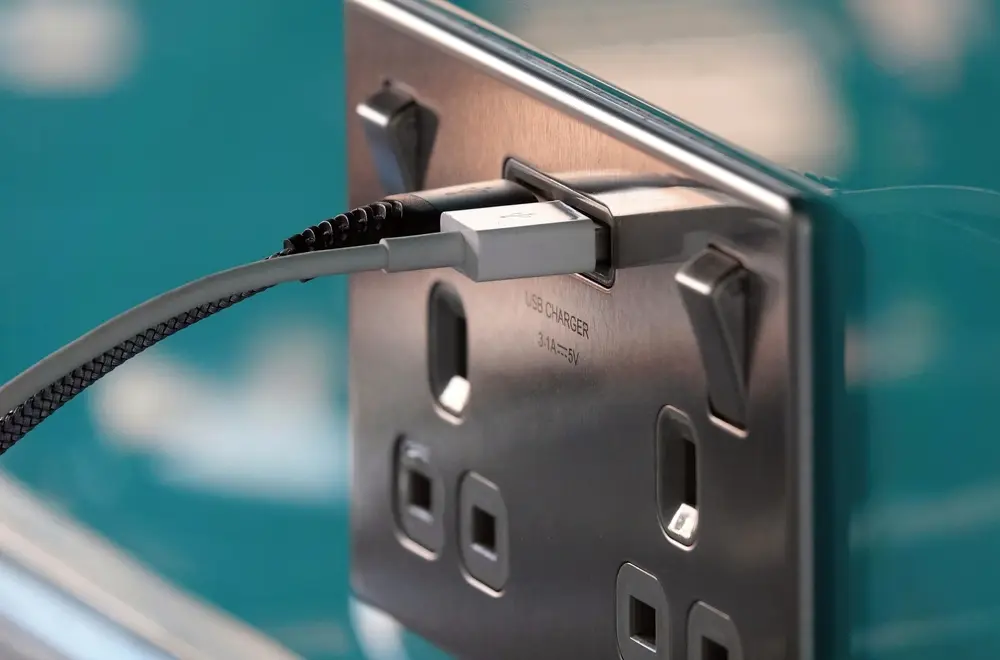
- Disconnect chargers, heated appliances and portable heaters.
- Leave fridge-freezers, alarms and security systems powered.
- Check for heat, buzzing, scorch marks or repeated tripping.
- Only isolate circuits when you know exactly what they supply.
- Arrange an inspection before travelling if something seems wrong.
What Should You Unplug Before a Holiday?
Electrical Safety First recommends regularly checking cables, switches and sockets for damage, along with getting unusual sounds, burn marks or tripping investigated. Before a holiday, it is a good idea to switch off and unplug equipment that has no reason to remain powered.
Walk through the property room by room and unplug items such as:
- Televisions, games consoles and desktop computers
- Kettles, toasters, air fryers and coffee machines
- Hair straighteners, electric blankets and portable heaters
- Phone, laptop, power-tool and rechargeable battery chargers
- Printers, speakers and other rarely used equipment
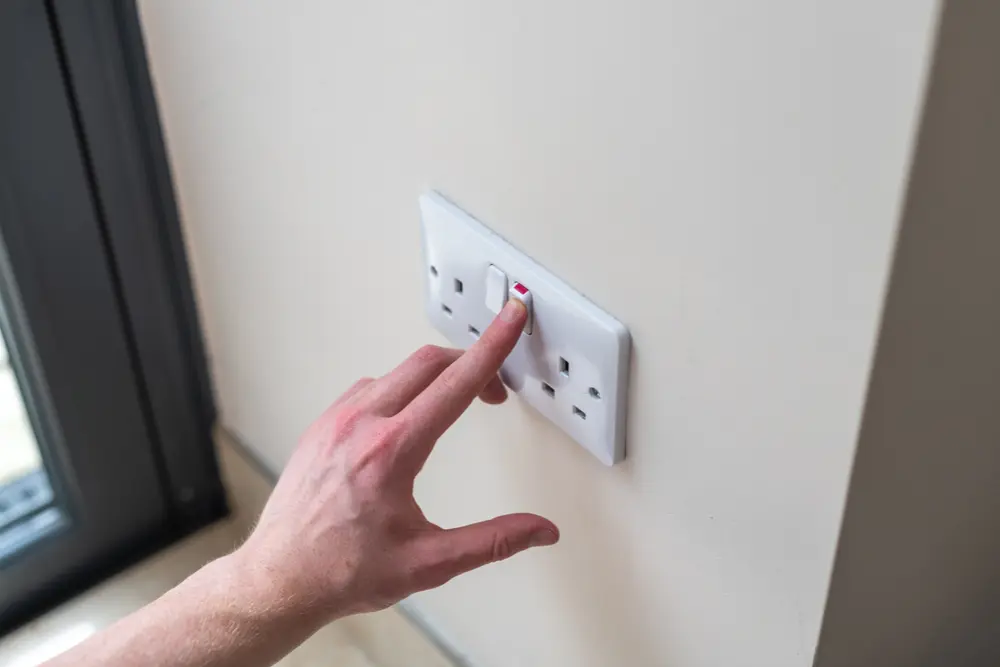
Switching an appliance off with its own button may still leave parts of it energised. The Scottish Fire and Rescue Service explains that removing the plug is the only way to be certain electricity is no longer flowing through an appliance.
There is no need to drag heavy appliances away from walls merely to reach an inaccessible plug. Concentrate on equipment that can be disconnected safely without pulling cables, damaging sockets or shifting heavy furniture.
Which Electrical Items Should Stay On?
Some equipment is designed to remain powered. Turning everything off could spoil food, disable security systems or remove frost protection from your heating.
| Usually Leave Powered | Check Before Leaving |
| Fridge and freezer | Doors are shut and ventilation is clear |
| Smoke and carbon monoxide alarms | Test them before departure |
| Security alarm and CCTV | Confirm notifications are working |
| Router and smart-home hub | Leave on when required by security devices |
| Heating controls | Use holiday or frost-protection settings where appropriate |
| Essential medical equipment | Follow the manufacturer’s instructions |
Timers for one or two lamps can also be useful, but only use suitable equipment that is in good condition. Avoid creating a last-minute setup involving overloaded adaptors or damaged extension leads.
Should I Turn Off My Circuits Before Holiday?
Usually, no. You do not need to switch off every circuit at the consumer unit.
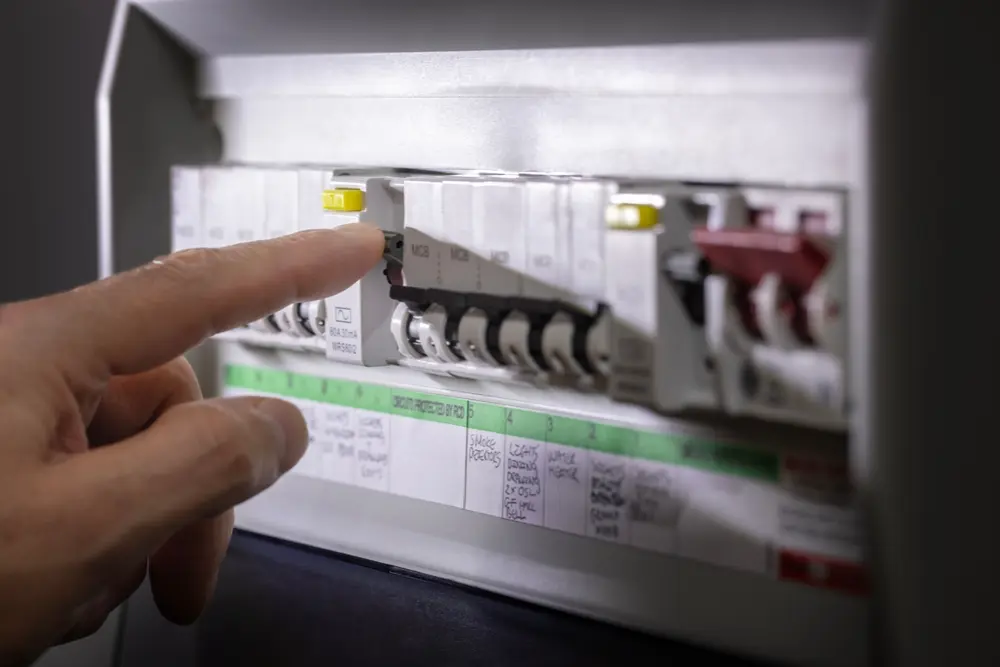
The consumer unit, sometimes loosely called a circuit board, circuit switchboard or fuse box, distributes power around the property. It also contains protective devices such as circuit breakers and fuses.
A circuit breaker is designed to interrupt the electrical supply when excessive current is detected. It is an important safety device, rather than something that must routinely be turned off whenever the house is empty.
You may choose to isolate a clearly labelled, non-essential circuit, but only when you know exactly what it supplies. A socket circuit could also power a freezer in the garage, a security alarm, boiler controls or outdoor equipment that is easy to overlook.
When Leaving a Circuit On Makes Sense
Keep a circuit live when it supplies refrigeration, security equipment, alarms, heating controls, pumps or essential smart-home devices.
Never Guess at the Consumer Unit
Do not start switching circuit breakers and fuses at random. Where the labelling is unclear, leave the consumer unit alone and switch off individual appliances at their sockets instead.
TS Electrical can inspect concerns involving an older or poorly labelled consumer unit, helping you understand what each circuit controls and whether the existing equipment is suitable for the property.
Check for Electrical Warning Signs
The morning of a flight is not the time to ignore a socket that has been crackling for several weeks. Before travelling, look out for:
- Scorching, discolouration or melted plastic
- A burning smell or unusual heat
- Buzzing or crackling from sockets and switches
- Lights that flicker without an obvious cause
- Circuit breakers that trip repeatedly
- Loose sockets, damaged plugs or exposed cable
Repeated tripping, overheating or burning smells should be investigated rather than temporarily worked around. An Electrical Installation Condition Report can assess the fixed electrical system where there are wider concerns about its condition, safety or age.
Your Final Five-Minute Check
Once the bags are packed and sitting by the door:
- Check that cooking appliances are switched off.
- Confirm washing and drying appliances are not running.
- Unplug chargers and heated devices.
- Make sure alarms and security equipment are active.
- Check the fridge and freezer doors are properly closed.
- Look at the consumer unit for anything visibly unusual without removing its cover.
- Ask a trusted person to visit during a particularly long absence.
This holiday checklist is not about turning your home into a powerless box. It is about reducing avoidable risks while keeping the equipment that protects the property working properly.
Get Electrical Concerns Sorted Before You Travel
One of the most useful things to do before going on holiday is dealing with an electrical concern while you are still home to explain it.
If a circuit keeps tripping, a socket feels warm or your consumer unit is showing its age, TS Electrical can inspect the problem and recommend the right next step.
For domestic electrical work in Hastings and the surrounding areas, contact TS Electrical:
📞 01424 277030
📧 info@tselectricalservice.co.uk
If you liked this, you may also like: How to Handle an Overloaded Circuit in Your Home
Frequently Asked Questions About Things to do Before Going on Holiday: Your Home Electrical Checklist
Should I Turn Off the Electricity Before Going on Holiday?
You normally do not need to switch off the entire electrical supply. Doing so could cut power to your fridge, freezer, security alarm, heating controls or other equipment that needs to remain running. It is usually safer to unplug individual appliances that will not be needed.
Which Appliances Should I Unplug Before Going Away?
Unplug non-essential items such as televisions, computers, kettles, toasters, chargers and heated styling tools. You should also check that portable heaters, electric blankets and similar appliances are disconnected. Leave appliances plugged in when they genuinely need power while you are away.
Can I Leave My Fridge and Freezer On While I Am Away?
Yes, most people leave their fridge and freezer running during a holiday. Check that both doors close properly and that the appliances are not showing signs of a fault before you leave. For a very long absence, you could empty, defrost and switch them off instead.
Should I Switch Off My Boiler Before a Summer Holiday?
Not necessarily. Many boilers and heating controls have a holiday, summer or frost-protection setting that is more suitable than switching the system off completely. Check the manufacturer’s instructions, especially when the property may become cold while you are away.
Is It Safe to Leave Plug Timers On?
A suitable timer can be used to operate a lamp and make the property appear occupied. Check that the timer, plug and lamp are undamaged and that the light is not close to curtains, bedding or other materials. Avoid connecting high-powered appliances to basic plug timers.
Should I Turn Off Individual Circuit Breakers?
Only switch off a circuit breaker when you are certain which circuit it controls. Poorly labelled circuits may supply more than expected, including freezers, alarms, boilers or outdoor equipment. When you are unsure, leave the consumer unit alone and unplug appliances individually.
What Electrical Warning Signs Should I Check Before Leaving?
Look for warm sockets, scorch marks, buzzing, crackling, damaged cables and unexplained flickering. A circuit breaker that repeatedly trips may also indicate an electrical issue that needs attention. Do not leave a known fault unresolved while the property will be empty.
Can I Leave Chargers Plugged In While I Am Away?
It is better to unplug chargers that are not being used. This includes chargers for phones, laptops, power tools, cordless vacuum cleaners and rechargeable batteries. You should never leave damaged chargers or batteries connected to the electrical supply.
Should I Switch Off Outdoor Electrical Equipment?
Switch off outdoor lighting, water features, pumps and garden equipment unless they need to remain operational. Check outdoor sockets are properly covered and that cables are not exposed to damage or standing water. Security lighting can remain on when it is working correctly and safely installed.
Do I Need an Electrician Before Going on Holiday?
You do not need an electrical inspection before every trip. However, it is sensible to contact an electrician if you have noticed repeated tripping, burning smells, unusual heat, damaged fittings or problems with your consumer unit. Addressing these issues beforehand reduces the chance of a fault developing while nobody is home.