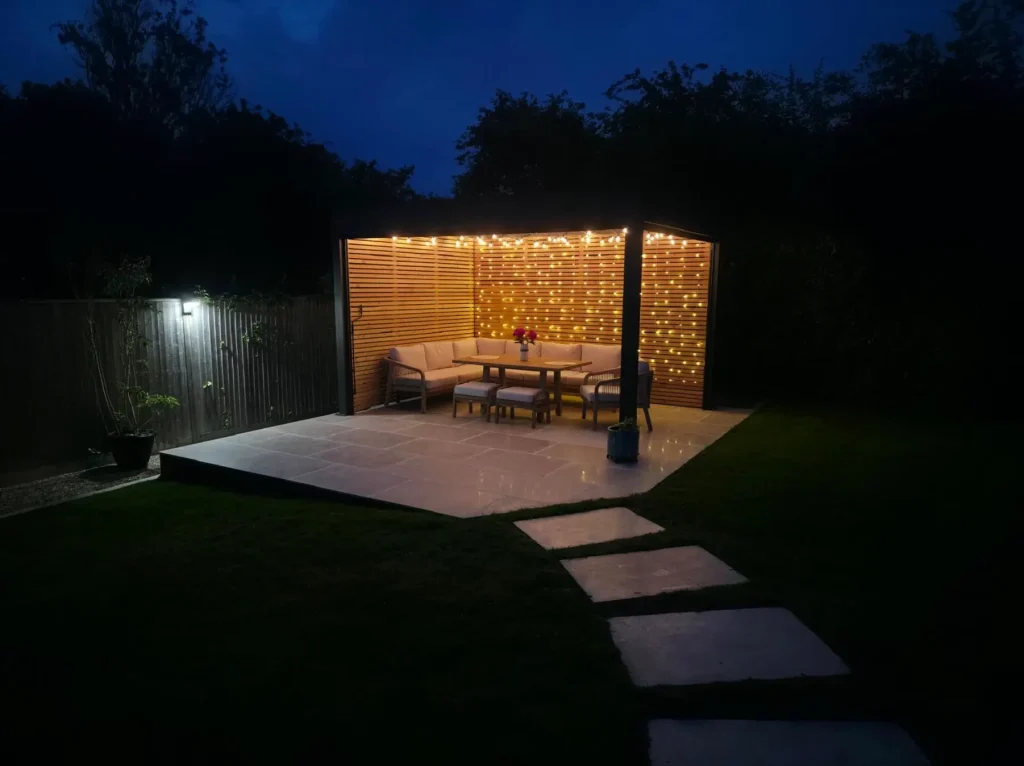
August is peak DIY month. The sun’s out, the days are long, and many of us are looking at our garden sheds or outbuildings with fresh eyes. By running electrics to shed, that dusty timber room at the bottom of the garden suddenly looks like it could be a home office, a yoga studio, a man cave, or even a gaming retreat.
But here’s the catch: without proper electrics, your shed is just a glorified storage box. Running electricity to a garden shed is what transforms it into a usable, safe, and enjoyable space.
Let’s explore what it takes to get electrics to ashed, what mistakes to avoid, and why calling in a qualified electrician is the smartest way forward.
Why Run Electricity to a Shed?
Garden sheds and garden buildings have evolved far beyond storing lawnmowers and rusty tools. With more people working from home, they’re being converted into offices, studios, and gyms. For these uses, a simple outdoor power socket extension won’t cut it.
Proper electrics give you:
- Lighting for evening use
- Sockets for computers, heaters, or exercise equipment
- Safe charging for tools, e-bikes, or garden machinery
- Entertainment setups with sound systems or screens
Running power safely is what makes the difference between a usable garden building and a temporary setup that risks electrical safety.
The Basics of Running Electricity to a Garden Shed
So how do you run electricity to your shed? The process is more involved than many DIYers expect.
Planning the supply
You’ll need someone to decide what electrical components are required: sockets, lighting, heating, or just a single supply point. The load demand determines the size of the electric supply and the type of cable used.
Using the right cable
The most common choice is an SWA cable (steel wire armoured). It’s designed to be tough, weatherproof, and suitable for running underground. Ordinary indoor cables are not safe for garden installations.

Dig the trench
If you’re running electricity underground, you’ll usually need to dig a trench deep enough to protect the cable from damage. Cables are laid with protective coverings and warning tape.
Safety at the consumer unit
Any outdoor supply must be connected back to your house consumer unit and must be RCD protected. This ensures that if there’s a fault, the power cuts immediately to prevent shock or fire.
Final certification
When installing electricity to a shed, the work must meet UK building regulations. A professional electrician provides an electrical installation certificate, giving you peace of mind and proof of compliance.
Why a Competent Person Matters
You may be tempted to treat shed wiring as a DIY project. But this is where many garden projects go wrong. Running electricity involves more than plugging in a cable through a window. Mistakes can create fire risks, electric shocks, and failed equipment.
A competent person (as defined by building regulations) knows how to:
- Calculate safe load demand
- Size and run steel wire armoured cable correctly
- Ensure circuits are RCD protected
- Connect safely to the house fuse box or consumer unit
- Provide the correct testing and certification
Without this, your insurance could be invalid, and your garden building could be unsafe.
Lifestyle Uses for Powered Garden Buildings
Once electrics are safely installed, the possibilities open up. Here are some of the most popular transformations:
- Garden office: Lighting, sockets, internet boosters, and heating make it work-ready.
- Man cave or gaming den: Power for consoles, fridges, and lighting design.
- Yoga studio: Soft lighting, heaters, and speakers for a calming environment.
- Workshop: Heavy-duty sockets for tools and proper task lighting.
- Family retreat: Entertainment setups, heating, and safe charging stations.
With proper electrics, your shed becomes a genuine extension of your home.
How TS Electrical Can Help
At TS Electrical, we specialise in running electricity to sheds and outbuildings across East Sussex and Kent. We don’t just connect an outdoor power socket and leave you guessing. Our professional electricians take care of the full process:
- Assessing your needs and load demand
- Safely installing SWA cable underground with the right protections
- Connecting your garden supply back to the consumer unit with full RCD protection
- Testing and issuing an electrical installation certificate
- Advising on electrical components like sockets, lights, and smart controls
Whether you’re setting up a garden office, gym, or a quiet escape space, we’ll make sure the electrical installation is safe, futureproof, and tailored to your lifestyle.
Final Thoughts
Garden sheds aren’t always just sheds. They’re offices, retreats, and workshops. But without proper electrics, they can’t truly serve those purposes. Installing electricity isn’t just a convenience measure; it’s about safety, compliance, and long-term usability.
So if you’re planning to run electricity to your shed this summer, make sure it’s done by the book. TS Electrical is here to turn your garden building into a safe, powered, and enjoyable part of your home.
📧 info@tselectricalservice.co.uk

FAQs
Can I run electricity to my shed myself?
Not safely. Only a qualified electrician can certify the work to UK standards.
What type of cable is used to supply power to a shed?
Steel wire armoured (SWA) cable is typically used because it’s durable and safe for underground runs.
Do I need to dig a trench for shed electrics?
Yes, if the cable runs underground. The trench must be deep enough and properly protected.
Does my shed need its own fuse box?
If you’re powering multiple sockets or lights, yes. Many garden buildings benefit from a small secondary consumer unit.
What does RCD protection mean?
It ensures the circuit cuts off instantly if there’s a fault, protecting you from shocks.
Will I get certification after installation?
Yes. A qualified electrician will issue an electrical installation certificate for compliance and safety records.