Is a Buzzing Plug Socket Dangerous? Here’s What You Need to Know
A plug socket should be boring. You plug something in, it works, and you move on. So if you notice a buzzing noise from a socket, or you hear an electric socket buzzing when the house is quiet, it is right to pay attention.
In most cases, a plug socket buzzing is a warning sign. Sometimes it is a small fix. Sometimes it points to a fault in your home’s electrical system that could lead to shock or fire. Either way, do not ignore it.
What does a buzzing plug socket mean?
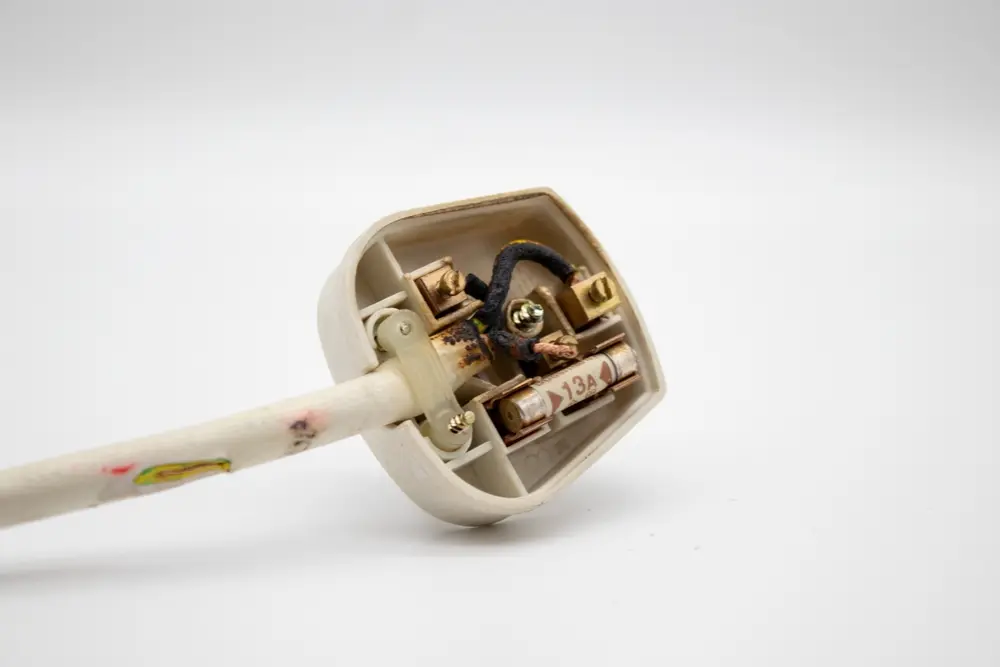
A buzzing electrical outlet usually means electricity is arcing, vibrating, or heating at a point of poor contact. Common causes include loose connections at the terminals, loose wiring behind the faceplate, a damaged plug or charger, or an overloaded circuit stressing the socket.
That buzzing sound can be tiny arcing, and arcing creates heat. Heat is what turns a minor fault into a fire hazard.

Is a buzzing plug socket dangerous right now?
It can be. If the buzzing is constant, gets louder when you plug something in, or comes with heat, a burning smell, scorch marks, or flickering, treat it as urgent. A loose connection increases the risk of electric shock or fire, and arcing increases the risk of electrical fires.
If the buzzing stops when you unplug a device, the device may be faulty, but the socket may still have been damaged by heat. Do not assume it is fine just because the noise goes away.
Safe first steps you can take
Keep it simple and safe:
- Unplug the appliance if nothing feels hot.
- Try that appliance in another socket.
- Check the electrical socket faceplate for warmth, discolouration, cracking, or looseness.
- Think about what is on that circuit. If you are running several high-load items from one point, you may be overloading it.
If anything looks or feels wrong, switch off the relevant circuit breaker at the consumer unit and call for advice.
What not to do
Do not open the socket, tighten terminals, or “wiggle it until it stops”. Also, avoid taping plugs or running the same appliance through extension leads to “test it”. If you hear a buzzing noise, treat it as a warning sign.
Why it’s common in older homes
In older homes, sockets may have had decades of use, plus redecorations and past electrical work. Terminals can loosen over time and accessories wear out. Modern households also put more demand on older circuits. Home office kit, kitchen appliances, and portable heaters can all stress weak points, leading to buzzing noise and heat build-up long before anything trips.
Common causes of a plug socket buzzing
Loose wiring or loose connections
This is the big one. A slightly loose terminal creates a tiny gap. Electricity jumps that gap and you hear a buzzing sound. Left alone, it worsens.
Overloaded circuit and adaptors
A multi-plug adaptor packed with devices can push a socket harder than it should be pushed. Overheating can damage the socket and create ongoing buzzing.
Faulty plug, charger, or appliance
Sometimes the noise is from the plug top or the charger brick itself. If the buzzing follows the device to another socket, the device is likely the issue.
Moisture or contamination
Damp areas can cause tracking inside accessories, which can also present as a buzzing noise.
When is it time to call an electrician?
If the plug socket buzzing happens repeatedly, if the socket is warm, or if you notice any burning smell, crackling, or tripping, it is time to call. The same goes if you are in an older home and the sockets have never been updated. These are electrical problems that need proper testing, not guesswork.
How TS Electrical can help
TS Electrical are NICEIC-approved, serving Hastings, East Sussex, and nearby areas. We find the cause, not just the symptom. That means checking the socket, testing the circuit, confirming the circuit breaker protection is correct, and fixing any loose connections safely.
We can also help prevent repeat problems with sensible upgrades, like replacing tired sockets, adding extra sockets to reduce adaptor use, and checking the wider circuit for signs of overheating. It is straightforward electrical work that improves safety and gives peace of mind.
If you are unsure, give us a ring. We can often guide you through safe steps over the phone, and if there is a genuine safety risk, we can arrange a visit quickly.
📧 info@tselectricalservice.co.uk

FAQs
Is a buzzing plug socket dangerous even if it still works?
Yes, it can be. A socket can still supply power while a loose connection is heating or arcing inside.
Why is my plug socket buzzing only sometimes?
It may happen only under load, such as when a high-power appliance is running, or when a loose connection shifts slightly.
Is an electric socket buzzing a sign of a fire hazard?
It can be. Buzzing can indicate arcing or overheating, both of which raise the risk of electrical fires.
Should I turn off the circuit breaker if I hear a buzzing noise?
If the socket is warm, smells odd, or the buzzing is persistent, switching off the relevant circuit breaker is a sensible safety step.
Can a faulty appliance cause a buzzing electrical outlet?
Yes. If the buzzing follows the appliance to another socket, the plug or appliance is a likely cause.
Is this more common in older homes?
Yes. Older sockets and wiring can loosen or degrade over time, and modern usage can overload older circuits.
What if the socket cover feels loose?
Stop using it and get it checked. A loose faceplate can indicate loose wiring behind it.
Will a buzzing socket always trip the circuit breaker?
Not always. Some faults create heat and arcing without tripping straight away, which is why the noise matters.
Can I fix loose connections myself?
No. It is not safe to open sockets unless you are trained. Call a licensed electrician.
When should I call TS Electrical?
If the buzzing repeats, the socket feels warm, you notice burning smells, or you are unsure what you are hearing, call for advice.