Most Safe Space Heater: Safer Choices for Your Home
If you’re Googling “most safe space heater”, you’re probably trying to solve one very specific problem: one room is freezing, and you don’t want to blast the whole house with central heating just to feel comfortable for a couple of hours.
Portable heaters can be useful for warming a specific area, but they’re also one of the quickest ways to overload sockets, stress older electrics, and accidentally create fire hazards.
This guide covers the safest ways to use electric heaters, which types tend to be lower risk, and then the more interesting bit: home upgrades that make your heating feel better without relying on plug-in fixes every winter.
Is any space heater completely safe?
No. Nothing that produces heat is completely safe if it’s placed badly, used for long periods, or plugged into the wrong setup. The goal is to reduce risk by choosing models with the right safety features, using them correctly, and making sure your electrical system can handle the load.
The safest choices usually have:
- Overheat protection
- Tip-over protection with automatic shut off
- A stable base
- Sensible surface temperature on the casing
- A good quality plug and cable
If a heater feels flimsy or suspiciously cheap, that often shows up in the build quality, not just the price. Poor quality heaters are more likely to develop faults at the plug, the cable, or the heating element.
Are oil heaters safe?
People ask “are oil heaters safe?” a lot, and generally, oil filled radiator style heaters are among the steadier options. They heat gradually, keep warmth well, and they don’t usually have a glowing element exposed to the room.
They can still cause problems, though. They draw a decent amount of power and can overheat whatever is touching them. Keep them clear of curtains, laundry racks, and bedding, and never wedge one under a desk.
Oil heaters can be a good choice if you need slow, steady warmth in a room for longer spells, and you’re using a proper wall socket.
Are infrared heaters safe?
“Are infrared heaters safe?” depends on the type. Infrared heaters work by radiant heat, warming people and surfaces rather than the air first. Done right, that can feel very efficient, especially if you only want warmth where you’re sitting.
Some people worry about infrared radiation, but in domestic heaters it’s the same kind of heat energy you feel from sunshine through a window. The real concern is placement and temperature. Some units get hot at the front, so keep clear space around them and avoid pointing them at anything flammable.
A wall mounted infrared option can be safer in busy rooms because it’s out of reach and not easy to knock over.

Are halogen heaters safe?
“Are halogen heaters safe?” is where we tend to be more cautious. A halogen heater can kick out quick heat, but it often runs hotter at the front and is less forgiving if it’s knocked or used too close to soft furnishings. If you’ve got children, pets, or a cluttered room, this is the category that most often ends up too close to the wrong thing.
If you use one, make space around it, keep it upright, and never leave it running unattended.
Can you plug a heater into an extension cord?
This is the big one. “Can you plug a heater into an extension cord?” Technically yes, but it’s usually a bad idea.
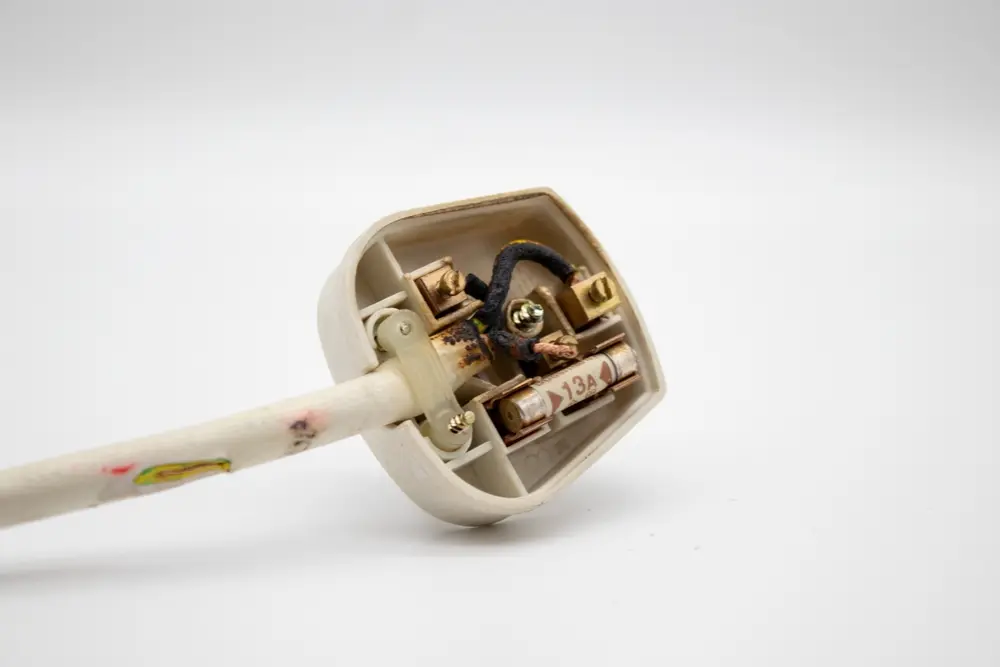
Heaters are high-load appliances. Extension leads are often used for multiple plugs, sometimes coiled, sometimes tucked behind furniture where heat builds up. That combination can cause overheating at the plug, damage the socket, or create a short circuit. It’s one of the most common causes of preventable fire hazards we see in homes during cold periods.
If you feel like you need an extension lead to run a heater safely, the better solution is often not a different heater. It’s improving the room’s electrical layout.
The cleverer option: upgrades that make the room warmer and safer
If you’re chasing the most safe space heater because your home feels patchy, here are home upgrades that genuinely help and don’t scream “buy stuff”.
Add socket outlets where you actually need them
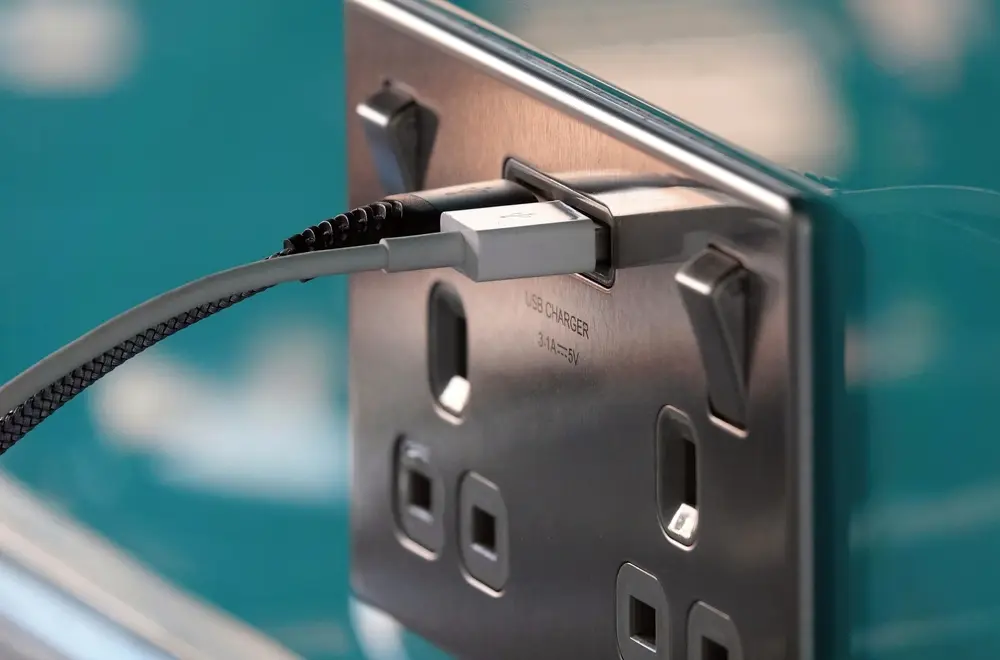
This sounds basic, but it’s huge. A heater should be plugged directly into a wall socket, not balanced through adapters. Extra sockets also tidy up TV stands, coffee tables, and home office setups where cables become a trip and pull hazard.
Check your circuits and protection
If your consumer unit is older, or your electrics trip when you use a fan heater, it’s worth having the circuits assessed. Overloaded circuits and loose connections are common culprits behind overheating plugs and nuisance tripping.
Consider fixed, wall mounted heating for problem rooms
For some homes, a properly installed wall mounted heater is a safer long-term option than moving a space heater around. It’s fixed in place, wired correctly, and can be paired with better control.
Improve controls so central heating works smarter
A lot of people reach for portable heaters because their central heating is “on or off” with no nuance. Better zoning and timing can reduce the need for portable top-ups and can be more energy efficient overall.
One quick note: electric heaters do not produce carbon monoxide. That risk comes from fuel-burning appliances. Still, if your home uses gas or solid fuel anywhere, carbon monoxide alarms are a sensible layer of protection.
How TS Electrical can help
If you want safer warmth without relying on extension leads and guesswork, TS Electrical can help with practical upgrades: adding sockets in the right places, checking circuit capacity, improving protection, and advising on safer fixed options for colder rooms.
If you’d like an honest steer, give us a call.
📧 info@tselectricalservice.co.uk

FAQs
What is the most safe space heater type?
There’s no completely safe option, but oil filled radiator heaters are often a lower-risk choice when used correctly and plugged into a wall socket.
Are oil heaters safe to run for hours?
Generally yes, but keep clear space around them and do not leave them unattended.
Are infrared heaters safe for health?
Domestic infrared heaters use radiant heat and are not harmful in normal use. The key is safe placement and avoiding hot surfaces near flammable items.
Are halogen heaters safe in family homes?
They can be high-risk because of hotter exposed areas. If you have kids or pets, consider safer alternatives.
Can you plug a heater into an extension cord?
It’s best not to. Heaters draw high power and extension leads can overheat, increasing fire hazards.
What upgrades reduce the need for portable heaters?
Better socket placement, improved circuit protection, fixed wall mounted heating in cold rooms, and smarter central heating controls can all help.