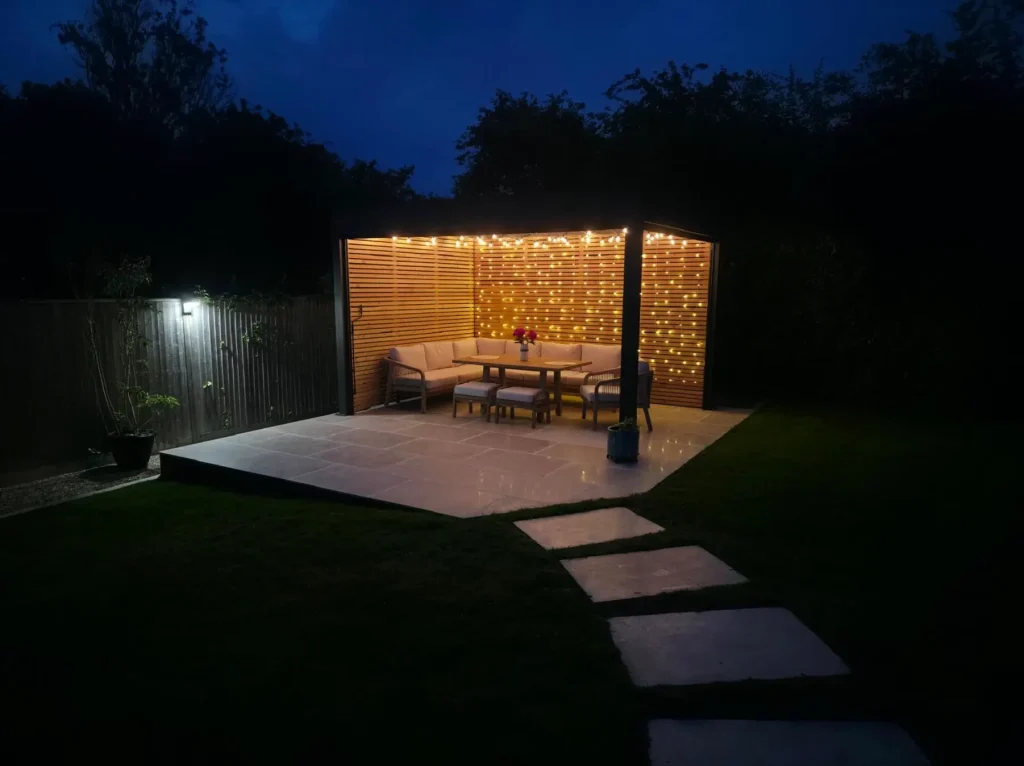
Wiring for Garden: How to Upgrade Outdoor Lighting Safely This Summer
The same thing happens every year. June arrives, people start spending proper time outside again, and suddenly the garden needs to work after dark too. A couple of outdoor lights turns into a bigger idea very quickly. Soon you’re assessing your property for path lights, feature lighting, security lights, and maybe some garden electric lights around a patio or seating area.
At this point, people realise the hard bit is not choosing the fittings, but the garden wiring that sits behind them.
A Quick Summary
If you are upgrading garden lighting for summer, the wiring matters just as much as the lights. Outdoor electrical work needs the right power supply, correct outdoor cable, suitable IP ratings, proper protection such as an RCD residual current device, and compliance with Part P of the Building Regulations. If you want your garden lighting to look good and keep working through the season, it is worth getting the electrical installation right now.
Why summer exposes bad outdoor wiring
A garden can sit quietly for months without showing many problems. Then summer comes along and everything gets used at once. Lights are on later. Outdoor sockets get used more often. Water features, speakers, garden bars, and seating areas all start competing for power.
That is when poor outdoor wiring tends to show itself. Lights trip. Connections fail. Cheap fittings let in moisture. Suddenly the lovely setup you imagined becomes a list of little electrical annoyances.
This is why summer is often when people realise the lighting itself was never really the issue. The wiring and installation were.
What matters when wiring garden lights?
The first thing is the power supply. Garden lighting should not just be tacked onto whatever is easiest to reach. The circuit needs to suit the layout, the distance involved, and the amount of lighting being added.
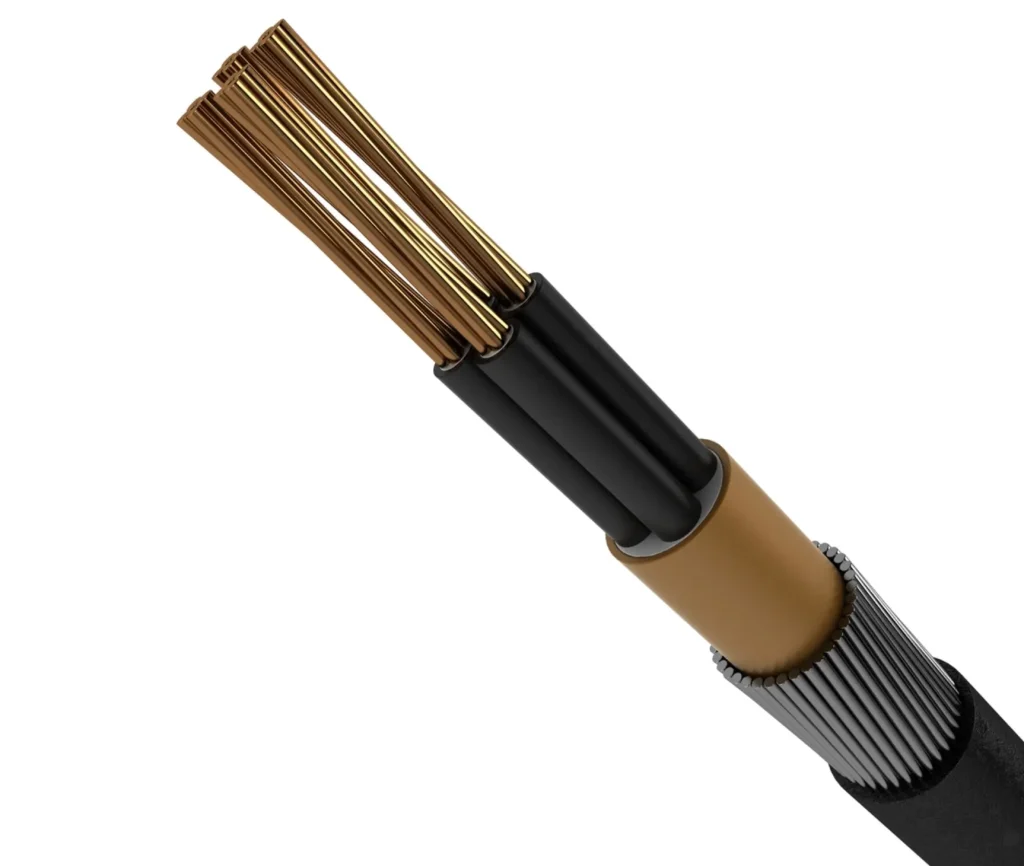
Then there is the cable itself. In a lot of outdoor jobs, especially where the run is longer or underground, the cable needs to be chosen with the environment in mind. That may mean using steel wire armoured SWA cable or another suitable outdoor cable, depending on the installation.
The fittings also need to be properly outdoor rated, which is where IP rating comes in. Those IP (ingress protection) ratings tell you how well the light resists moisture and dirt — you might recognise it from your phone! As you can imagine, a garden’s IP rating matters far more than it does indoors.
Why safety matters more outdoors
Outdoor electrics have less room for error. You are dealing with changing weather conditions, damp, dirt, movement in the ground, and fittings that are exposed in a way indoor ones are not.
A suitable RCD residual current device helps disconnect the circuit quickly if something goes wrong, and good installation also helps reduce the risk of shock, nuisance tripping, and early fitting failure.
Garden electrical work has to comply with Part P of the Building Regulations, which means the work needs to be carried out properly and certified where required. If you are tempted to treat it as a quick DIY add-on, this is usually the point where it makes more sense to hire a professional.
What makes garden lighting actually look good?
A lot of people assume the answer is just “buy nicer lights”. It is not. The nicest fittings in the world still look bad if the layout is wrong.
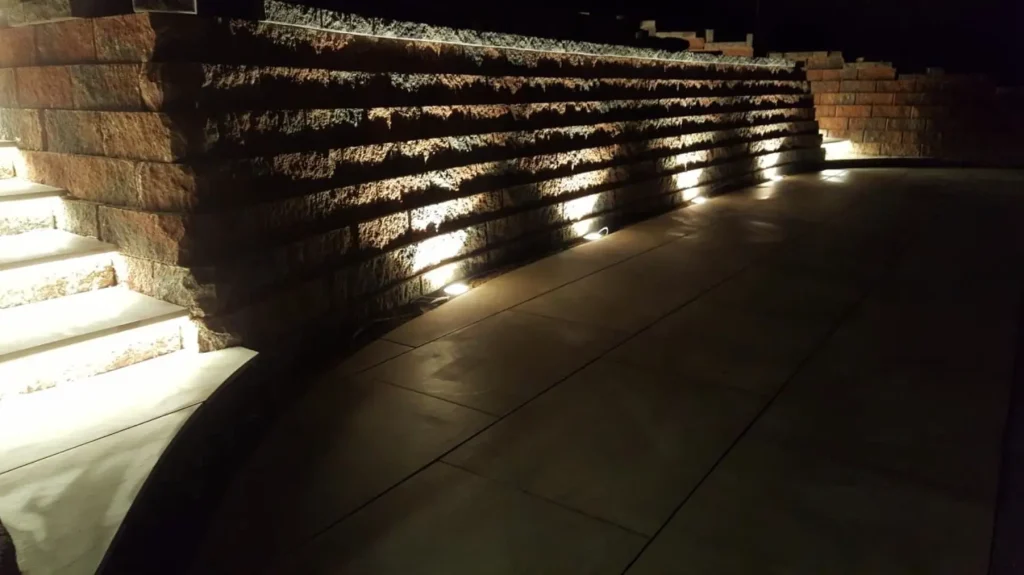
Good garden lighting usually works because it is planned around how the space is used. A few low-level lights along a path, subtle feature lights around planting, or practical security lights where they are needed can all make a huge difference to the energy of the space.
In other words, the lighting installations need to suit the garden, not just the catalogue.
That is where a qualified electrician can help beyond the wiring alone. The job is not just to connect fittings. It is to make sure the setup works in real life and keeps working after the first month of summer.
How TS Electrical can help
At TS Electrical, we install garden lighting properly, not just quickly. We can help with the electrical installation, the cable routes, the protection, and the practical side of making sure your garden lights work safely through the season.
If your garden is being used properly now and the lighting is the weak point, this is the time to sort it.
📧 info@tselectricalservice.co.uk
FAQs
What does wiring for garden lighting involve?
It involves choosing the right power supply, using suitable outdoor cable, selecting fittings with the correct IP rating, and making sure the whole installation is protected and compliant.
Can I wire garden lights myself?
It is much safer to use a qualified electrician. Outdoor electrical work needs to follow wiring regulations and may fall under Part P of the Building Regulations.
What is the best cable for outdoor wiring?
That depends on the job, but steel wire armoured SWA cable is often used where a tougher, more protected external cable run is needed.
Why does IP rating matter for garden lights?
It shows how resistant a fitting is to moisture and dirt. For outdoor lights, getting the right IP rating is essential.
Do garden lights need RCD protection?
In many cases, yes. An RCD residual current device adds an important layer of safety by disconnecting the circuit quickly if there is a fault.
Are security lights different from normal garden lights?
Yes. Security lights are usually more focused on function and coverage, while feature lighting is more about atmosphere and appearance.
Can badly installed outdoor wiring cause problems later?
Yes. Poor installation can lead to tripping, water ingress, early failure, and safety risks.
Is summer a good time to install garden lighting?
Yes, because the garden is actually being used. It is much easier to spot what the space needs once you are spending evenings outside.
Should I choose the lights first or the wiring plan first?
It is best to think about both together. Good lighting depends on both the fittings and the way they are powered and positioned.
Can TS Electrical help with garden lighting installations?
Yes. We can handle the wiring, protection, and safe installation so the finished result works properly and lasts.