Should You use Plug Socket Covers to Baby Proof Your Home Electrics?
If you’ve got a baby in the house, you suddenly start seeing your home differently. Things that felt normal last week now look like hazards. A plug socket that’s always been there. A cable you never noticed, the TV stand that wobbles if you bump it, the coffee table with corners that feel alarmingly sharp in the new context.
So it’s no surprise that plug socket covers are one of the first things people buy when they start baby proofing. They’re cheap, easy, and they feel like a quick win.
But are plug socket covers enough to baby proof home electrics? In most cases, no. And in some setups, they can actually create new problems.
Let’s talk about what really matters when you’re proofing your home, how to build safer habits, and what an electrician can do to help you create a safe environment with genuine peace of mind.
The Quick Answer: Plug Socket Covers Are Only Part of Baby Proofing
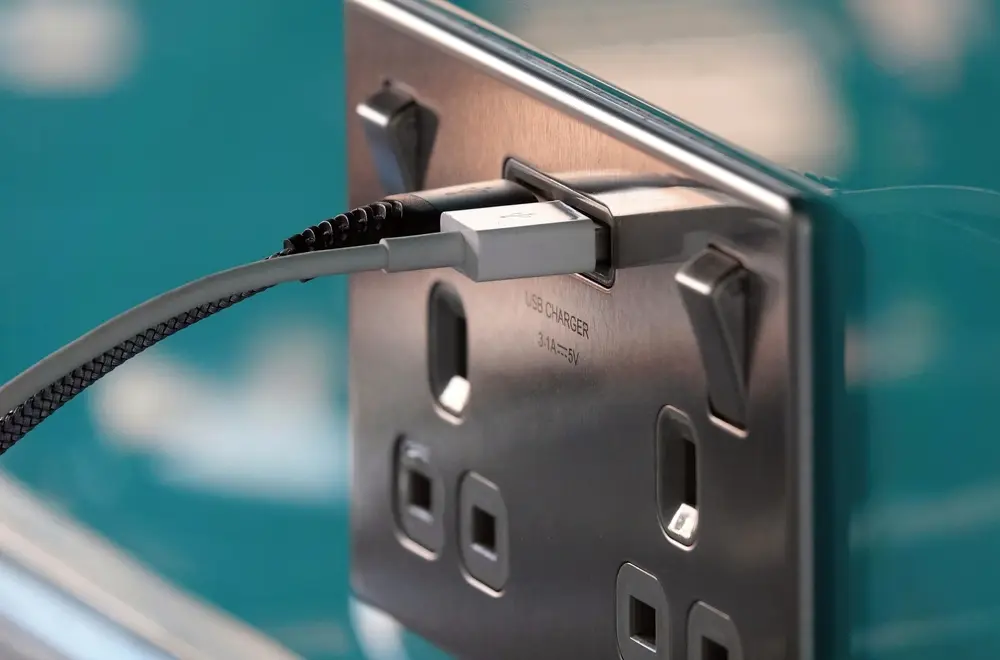
Modern UK socket outlets have built-in safety features. The shutters inside the socket are designed to open only when a proper plug is inserted, with the earth pin opening the shutters first. That means the socket is already child resistant when it’s in good condition and correctly installed.
Some plug socket covers on the market don’t fit perfectly. A poorly fitting cover can put stress on the socket, damage the shutters over time, or leave the socket in an awkward half-open state. In plain terms, a product meant to retroactively child-proof can make the socket less safe if it is the wrong type or used incorrectly.
That’s why many child safety bodies advise caution with plug socket covers. It’s not that every cover is dangerous. It’s that they’re often treated as the solution when they’re really just one small part of baby proofing home electrics.
What Really Makes Electrics Safer for Babies?
If your baby starts crawling, your priorities change fast. At that point, tips for baby proofing become less about buying gadgets and more about reducing opportunity.
A few practical steps are genuinely effective:
Keep items out of reach
Cables, chargers, extension leads, and plug-in adapters are a bigger day-to-day risk than the socket itself. Keep items out of reach where possible. If you’re using extension leads behind TV stands, think about how easily a child could reach them once they’re mobile.
Manage cables properly
Loose cables can be pulled, chewed, or wrapped around little hands. Cable management is a key part of baby proofing that many people skip because it feels fiddly. It is worth doing properly.
Upgrade where it matters
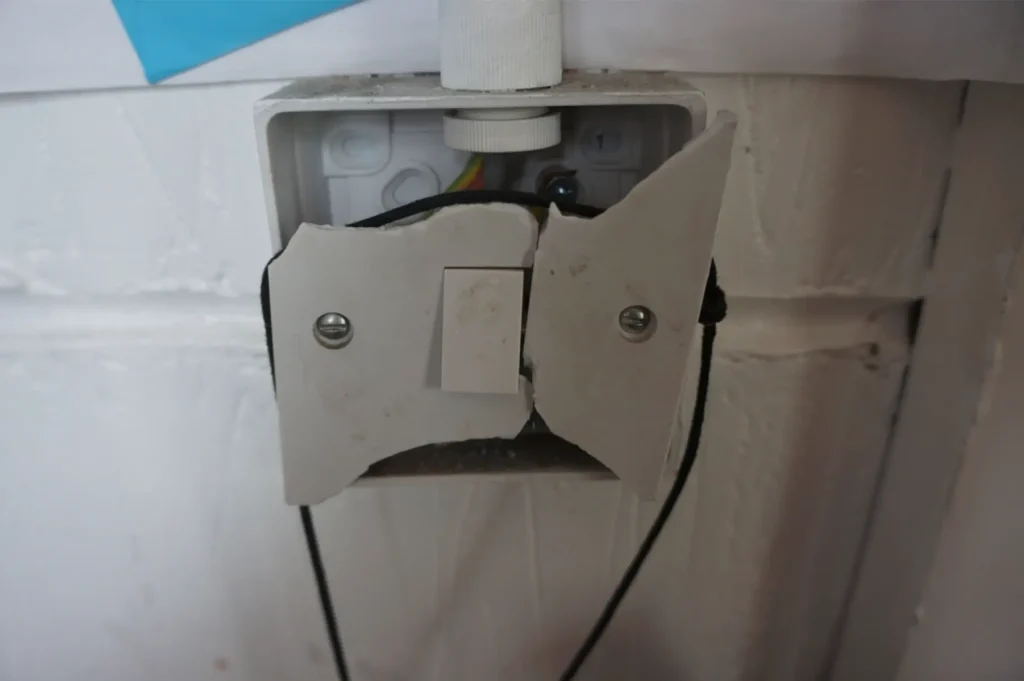
If your sockets are old, cracked, loose, or discoloured, that is not a baby proofing issue. That is a home safety issue. A loose socket can expose wiring or become a heat risk. If anything looks worn, get it inspected.

Hidden Electrical Risks Parents Often Miss
This is the bit that surprises people. When you start baby proofing, it’s easy to focus on the sockets you can see. But the bigger risks are often the ones you don’t think of straight away.
Overloaded extensions behind TV stands
TV stands are a magnet for cables. Power strips. Streaming boxes. Games consoles. A baby monitor. Chargers. Lamps. It’s easy for this to become a messy, overloaded setup without anyone realising.
A safe environment often means rethinking that whole area. Sometimes the best fix is simply adding socket outlets in the right places so you do not rely on extension leads.
Unprotected circuits in older homes
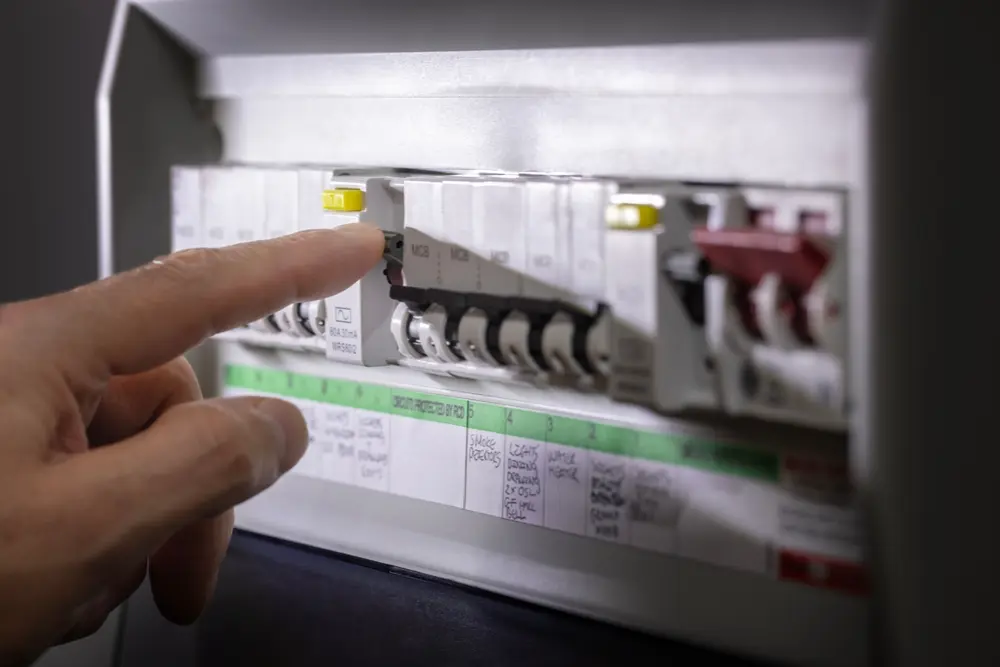
If your consumer unit is older, or your electrical system has not been checked in years, you might not have the protection you assume you do. Modern safety devices reduce the severity of faults and make everyday life safer, especially in homes with curious little hands.
Trailing appliance leads in the kitchen
Kitchens are full of hazards once a baby starts grabbing. Kettles, air fryers, toasters, slow cookers. Then there’s the oven door, which becomes a target the second a toddler can stand and reach.
Safe electrics in a family home often means better placement, safer routing, and sometimes moving socket outlets or adding switched fused spurs where needed.
Better Ways to Baby Proof Electrics Without Going Overboard
You do not need to turn your home into a padded cell. The goal is sensible, practical child proofing that still lets you live.
Here are a few upgrades that make a real difference:
- Extra socket outlets so you can keep cables tucked away
- Moving sockets away from low, high-traffic areas if they’re in awkward positions
- Replacing damaged sockets and switches so everything is tight and secure
- Adding RCD protection where needed for improved electrical safety
- Creating a safer media area so TV stands and power strips are not within easy reach
All of this sits under proofing your home, but it is also just good electrical housekeeping. It reduces risk, improves reliability, and gives proper peace of mind.
What About the Other “Baby Proofing” Hotspots?
Electrics are only one part of creating a safe environment, but they connect to lots of the obvious hazards too.
If you are baby proofing, you are probably also thinking about:
- Sharp cornered furniture, like coffee tables
- Securing TV stands so they do not tip
- Childproof locks on cupboards with cleaning products
- A window lock for upstairs windows
- Keeping the baby monitor cable safely routed and out of reach
It all links. When you start baby proofing, you start looking at how your home actually works day-to-day, not how it looks in a tidy photo.
How TS Electrical Can Help
If you are wondering whether plug socket covers are enough, that usually means you are doing the right thing: thinking ahead.
At TS Electrical, we help families across East Sussex and Kent make homes safer in practical ways. That might mean checking and replacing worn sockets, adding extra socket outlets where cable clutter is building up, or improving circuit protection so your electrical system is working as it should.
Nothing dramatic. No scare tactics. Just calm, professional advice and safe electrical work that supports family life.
If you want a quick assessment of your current setup, or you have a couple of rooms that feel like a cable jungle, give us a call. We’ll help you work out what’s worth doing and what isn’t.
📧 info@tselectricalservice.co.uk

FAQs
Are plug socket covers safe in the UK?
Some can be, but many do not fit UK socket outlets properly. UK sockets already have built-in shutters, so covers are not always needed and can sometimes cause issues if poorly fitted.
What is the best way to baby proof home electrics?
Start baby proofing by managing cables, reducing extension lead use, keeping items out of reach, and making sure socket outlets are in good condition and properly installed.
Should I replace loose or cracked sockets?
Yes. A loose socket is a home safety risk, not just a baby proofing concern. A qualified electrician should inspect and replace it.
Do I need RCD protection for child safety?
RCD protection improves electrical safety by reducing the severity of electric shock risk. If your consumer unit is older, it is worth checking what protection you have.
How can I child proof the TV area?
Secure TV stands, tidy cables, avoid overloaded extensions, and consider adding socket outlets so devices can be plugged in safely without trailing leads.
When should I call an electrician?
If you spot damaged sockets, overheating, flickering, buzzing, or you want help proofing your home in a practical, safe way, speak to a qualified electrician.