Where Can You Safely Put Electrics in a Bathroom?
Bathrooms are a bit different from other rooms when it comes to electrics. A light fitting that is perfectly fine in a bedroom might be unsuitable directly above a shower, while a socket that would be normal almost anywhere else in the house has much stricter rules around a bath or shower.
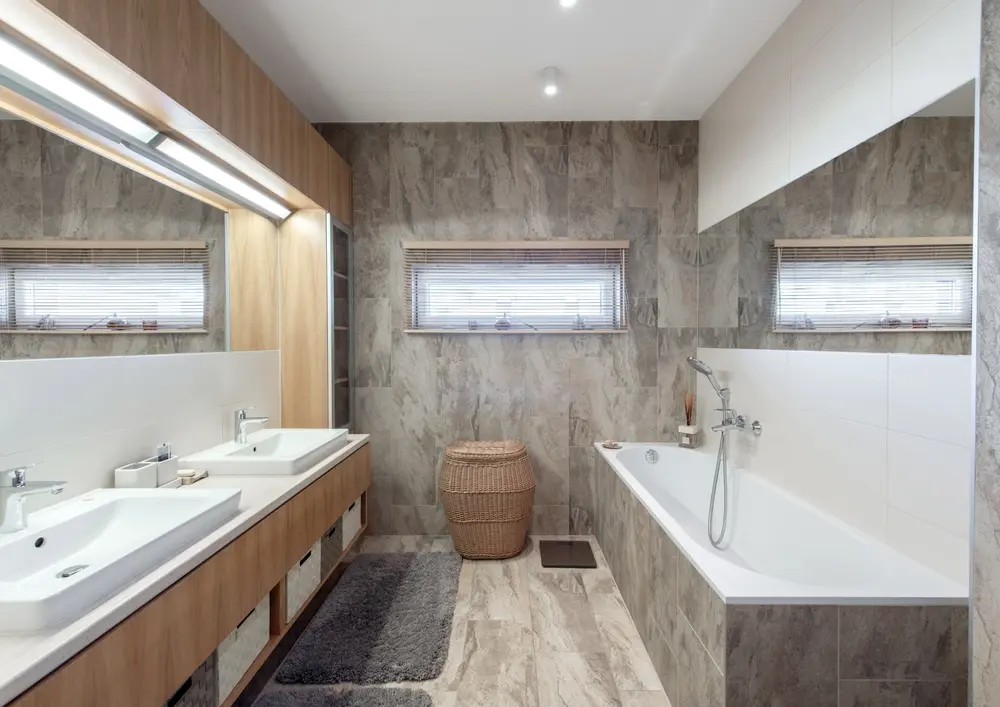
Bathroom electrical zones divide the room according to how close electrical equipment is to water, helping electricians choose suitable fittings and reduce the risk of electrical shock.
A Quick Summary
Bathroom zones for electrics are set out in Section 701 of BS 7671, the UK Wiring Regulations. Zone 0 is inside the bath or shower itself. Zone 1 covers the area immediately above it, while Zone 2 extends 0.6 metres beyond Zone 1. The height of Zones 1 and 2 reaches either 2.25m above finished floor level or the height of the highest fixed shower head or water outlet, whichever is higher. Electrical equipment in Zones 1 and 2 generally needs at least IPX4 protection.
What are bathroom electrical zones?
A bathroom is classed as a special location under the Wiring Regulations because water increases the risk associated with electrical equipment.
The zones give electricians a clear way of deciding what can safely go where.
Zone 0
Zone 0 is inside the bath or shower basin itself. This is the area where equipment could be exposed to direct contact or even immersion in water, so only equipment specifically designed and permitted for that location should be used.
It is not somewhere to make assumptions based purely on how waterproof a fitting looks.
Zone 1
Zone 1 is the area directly above the bath or shower. Its horizontal boundary normally follows the edge of the bath or shower basin. For a shower without a basin, it extends 1.2 metres from the centre of the fixed water outlet.
Vertically, Zone 1 reaches the higher of the fixed shower head or water outlet, or a height of 2.25m above the finished floor.
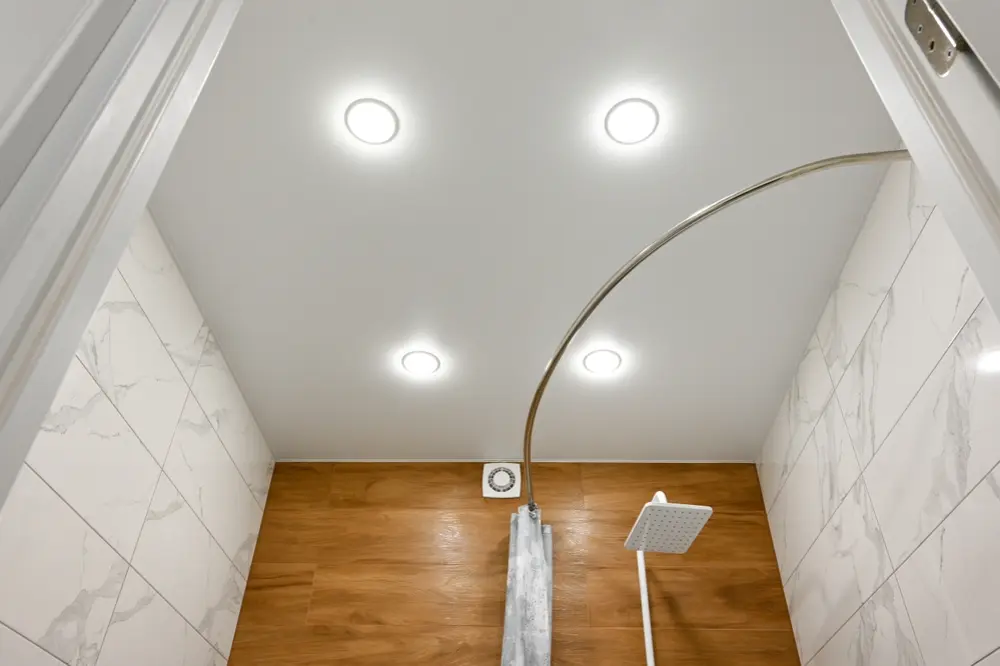
Suitable extractor fans, bathroom lighting and other fixed equipment can be installed here if they meet the relevant requirements and manufacturer instructions. Equipment in Zone 1 normally needs at least IPX4 protection.
Zone 2
Zone 2 is an area stretching 0.6 metres horizontally beyond the edge of Zone 1, with the same height limit.
Again, equipment normally needs at least IPX4 protection. This can affect your choice of lighting, illuminated bathroom mirrors, fans and other electrical fittings close to the bath or shower.
What do IP ratings mean in a bathroom?
IP ratings, or Ingress Protection ratings, tell you how well electrical equipment is protected against things getting inside it.
There are two digits in a normal IP rating. The first relates to solid objects and the second to water. For water protection, a higher second number generally indicates protection against more demanding conditions.
Under Section 701, equipment in Zones 1 and 2 generally needs at least IPX4. If water jets are likely to be used, the requirement rises to IPX5.
This is why choosing bathroom fittings based on appearance alone is not a good idea.
What about towel rails, fans and bathroom lights?
The 18th Edition requirements also include RCD protection for circuits in locations containing a bath or shower. Lighting circuits, electric showers and towel rails are among the circuits that need this additional protection.
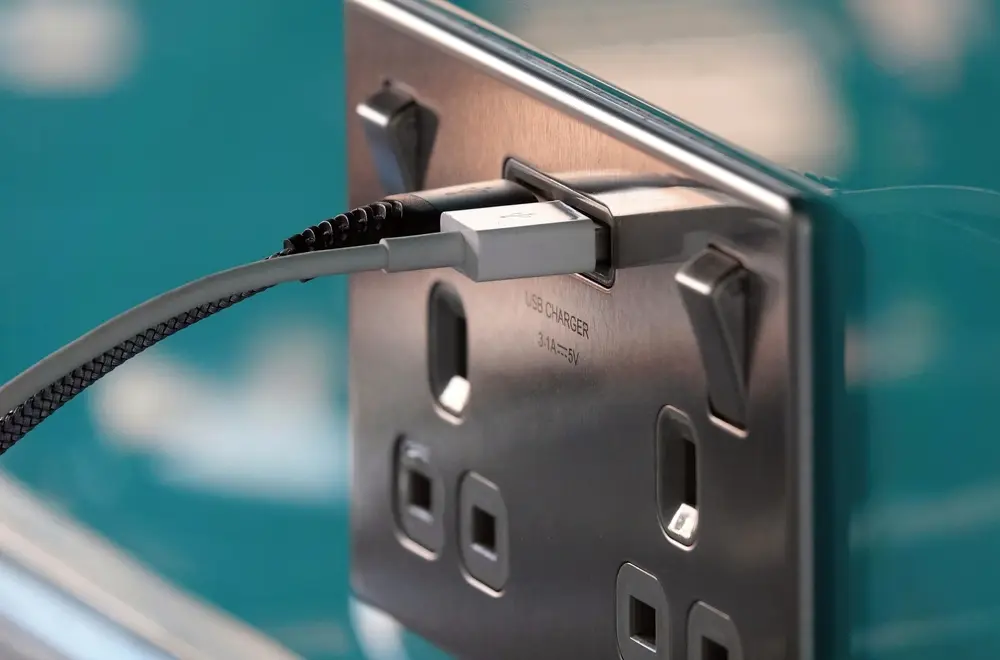
The position matters too. An extractor fan in Zone 1 or 2 needs to be suitable for that position and appropriately protected against moisture. Standard 230V socket outlets, meanwhile, must be at least 3 metres horizontally from the boundary of Zone 1.
Planning bathroom electrical zones properly
If you are renovating a bathroom, it is worth involving an electrician before the tiles, mirrors and fittings are fixed in place.
At TS Electrical, we can plan the bathroom electrical work around the layout of the room, including lighting, extractor fans, towel rails and other fixed equipment. We will make sure the installation meets current wiring regulations and that the fittings are suitable for the zones they sit in.
It is much easier to get the bathroom electrical zones right before everything is finished.
📧 info@tselectricalservice.co.uk
FAQs
What are bathroom electrical zones?
Bathroom electrical zones divide the area around a bath or shower according to the likelihood of electrical equipment coming into contact with water. They help determine which fittings can be installed safely in each part of the room.
What is Zone 0 in a bathroom?
Zone 0 is inside the bath or shower basin itself. Electrical equipment used there has to be specifically suitable for an area where direct contact with water or immersion is possible.
What is Zone 1 in a bathroom?
Zone 1 normally covers the area directly above a bath or shower. It reaches up to the higher of 2.25 metres above floor level or the highest fixed shower head or water outlet.
What is Zone 2 in a bathroom?
Zone 2 extends 0.6 metres horizontally beyond Zone 1. It has the same vertical height limit and still has requirements for the suitability and water protection of electrical equipment.
What IP rating do I need in a bathroom?
Equipment in Zones 1 and 2 generally needs at least IPX4 protection. Where water jets may be used, at least IPX5 is required.
Can I put a normal light above a shower?
A suitable 230V light fitting can be installed above a bath or shower in Zone 1, but it must meet the relevant IP rating and be suitable for the location.
Can extractor fans be installed in bathroom zones?
Yes. Suitable extractor fans can be installed in Zones 1 and 2 if they meet the required IP protection and the manufacturer’s instructions allow installation in that location.
Do heated towel rails need special protection?
Bathroom circuits, including those supplying towel rails, need appropriate RCD protection. The location and installation of the towel rail must also comply with BS 7671.
Can I have a normal plug socket in a bathroom?
A standard 230V socket outlet can only be installed at least 3 metres horizontally from the boundary of Zone 1. In many ordinary bathrooms, there simply is not enough room to achieve that distance.
Can TS Electrical plan bathroom electrics?
Yes. We can plan and install lighting, extractor fans, towel rails and other bathroom electrical work, making sure fittings are positioned correctly and meet the relevant safety requirements.