An Overloaded Circuit: The Home Warning Sign You Shouldn’t Ignore
An overloaded circuit can seem harmless at first, especially when everything still works after you flick a switch back on. The problem is that overloading electrical circuits is not a “try again and hope” situation. It is your electrical system saying that too much is being asked of one circuit.
Quick Summary
An overloaded circuit happens when too many appliances or devices draw power from the same circuit at once. Common signs include tripping breakers, warm sockets, flickering lights, buzzing sounds, a burning smell or appliances cutting out. Extension cords, high-powered appliances and older homes are often part of the story. The safest answer is to reduce the load and have the circuit checked properly.
What Is an Overloaded Circuit?
An electrical circuit is designed to carry a certain amount of power safely. That limit is known as its ‘circuit capacity’. When too many appliances run from the same circuit, the demand can exceed what the wiring, socket, breaker or electrical panel is designed to handle.
With electrics, that overload may show itself as a tripping breaker, a hot socket, damaged wiring or, in more serious cases, a fire risk. Your circuit breaker is there to protect you. If it trips, it is not just being annoying, it is doing its job.
Why Overloading Electrical Circuits Happens So Easily Now
Modern homes use more electricity than many older homes were originally built around. We now have home offices, chargers, gaming setups, smart devices, air fryers, heated appliances, tumble dryers, garden tools and extension cords doing far more work than they should, or at least far more than the house was built for.
Common causes include:
- Several high-powered appliances running from the same circuit
- Extension cords being used as a permanent solution
- Plug adaptors or multi-socket leads being overloaded
- Older wiring that no longer suits modern demand
This is especially common in older homes, where the electrical panel, wiring layout or number of sockets may not match how the property is used today.
Signs of an Overloaded Circuit
Some electrical problems are subtle, whilst others are practically waving a little red flag. Either way, the signs of an overloaded circuit should not be brushed off.
| Warning Sign | What It May Mean |
| Breaker keeps tripping | The circuit may be drawing more current than it can safely handle |
| Flickering or dimming lights | Appliances may be pulling power from the same overloaded circuit |
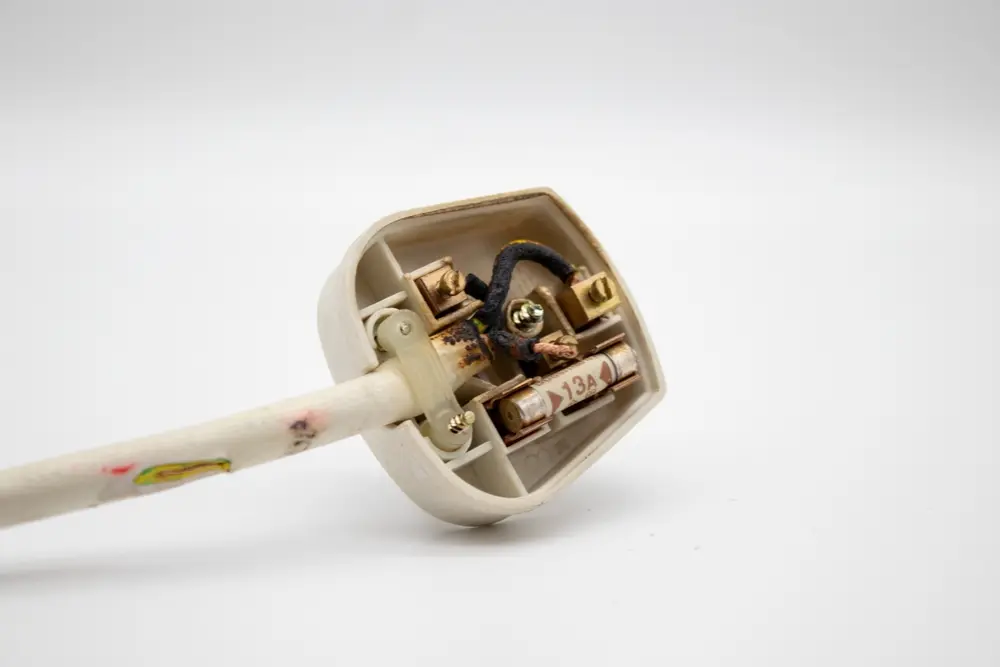
| Warm socket or plug | Heat can suggest excess load, damage or a poor connection |
| Burning smell | This can be a serious warning sign of overheating |
| Buzzing or crackling sounds | There may be arcing, loose connections or stressed components |
A burning smell near a socket, plug, switch or electrical panel should always be treated seriously. Do not wait to see if it “settles down”. Electrics should not smell like anything, especially not warm plastic.
Can an Overloaded Circuit Cause Fire?
Yes, an overloaded circuit can cause fire if the wiring, socket, plug, extension lead or protective device overheats. The risk increases when the circuit is repeatedly overloaded, when extension cords are daisy-chained, or when people keep resetting a tripping breaker without finding the cause.
Why Heat Is the Real Problem
Electrical overloads are dangerous because excess current creates heat. If that heat builds up in cables, sockets or connections, insulation can become damaged. Once that happens, the risk of arcing, further overheating and fire increases.
Why “It Has Always Been Fine” Is Not a Safety Test
A circuit can cope for a while before showing obvious symptoms. That does not mean it is safe. It may simply mean the problem has not reached the point where it trips, burns, buzzes or fails yet.
This is why we always prefer proper testing over guesswork. Guesswork is great for picking a biscuit from the tin… Less ideal for electrical safety.
What Should You Do If You Think a Circuit Is Overloaded?
If you notice warning signs, the safest first step is to reduce the load. Unplug non-essential appliances and stop using the affected socket or circuit if there is heat, smell, buzzing or visible damage.
A sensible order of action is:
- Switch off or unplug appliances on the affected circuit.
- Avoid resetting a breaker repeatedly.
- Do not plug high-powered appliances into extension cords.
- Check whether one area of the home is carrying too much demand.
- Call a qualified electrician if the problem repeats or feels unsafe.
Do not remove socket covers, open the electrical panel or investigate wiring yourself. That is not “having a look”. That is inviting risk into the room and offering it tea.
How TS Electrical Can Help
At TS Electrical, we help homeowners understand what is actually happening behind the tripping breaker or suspicious socket. Sometimes the answer is simple, sometimes a circuit needs upgrading, a fault needs tracing, or the electrical panel needs checking against the way the home is now being used.
We can assess the load, test the circuit, inspect sockets and connections, and advise whether your current setup is safe for everyday use.
If your home is throwing you warning signs, the best time to act is before the problem becomes dramatic. A tripping breaker, warm socket or burning smell is not something to ignore. It is your home asking for help, and thankfully, we speak fluent electrics.
If you liked this, you may also like: Is a Buzzing Plug Socket Dangerous?
📧 info@tselectricalservice.co.uk
Frequently Asked Questions About How to Handle an Overloaded Circuit in Your Home
Why does my breaker only trip when I use certain appliances?
This usually means one appliance, or a combination of appliances, is asking for more power than the circuit can safely supply. Kettles, tumble dryers, heaters, ovens, hairdryers and similar high-demand items can be enough to push a circuit over its limit, especially when other devices are already running nearby.
Is it safe to keep using a socket after it has felt warm?
No, not until it has been checked. A slightly warm plug can sometimes happen with high-powered appliances, but a warm socket faceplate, hot plug, scorch mark or plastic smell should be treated as a warning sign. Stop using it and ask a qualified electrician to inspect it.
Why do my lights dim when I turn something on?
Lights dimming when an appliance starts can mean the circuit is under strain, especially if it happens regularly or noticeably. It may be linked to voltage drop, circuit load, old wiring or an appliance drawing a heavy starting current. It is worth getting checked if it is a repeated pattern.
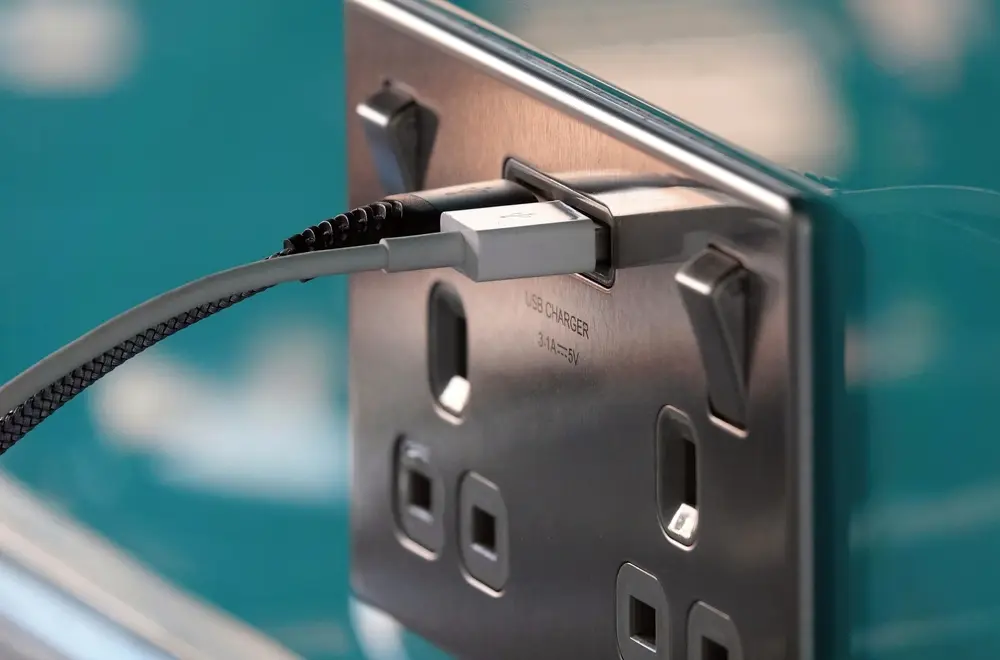
Can too many phone chargers overload a socket?
A few phone chargers are usually low demand compared with appliances like heaters or kettles. The bigger concern is often poor-quality chargers, damaged leads, overloaded extension blocks or multiple devices being left plugged in permanently. The risk is lower than with high-powered appliances, but it is still worth being sensible.
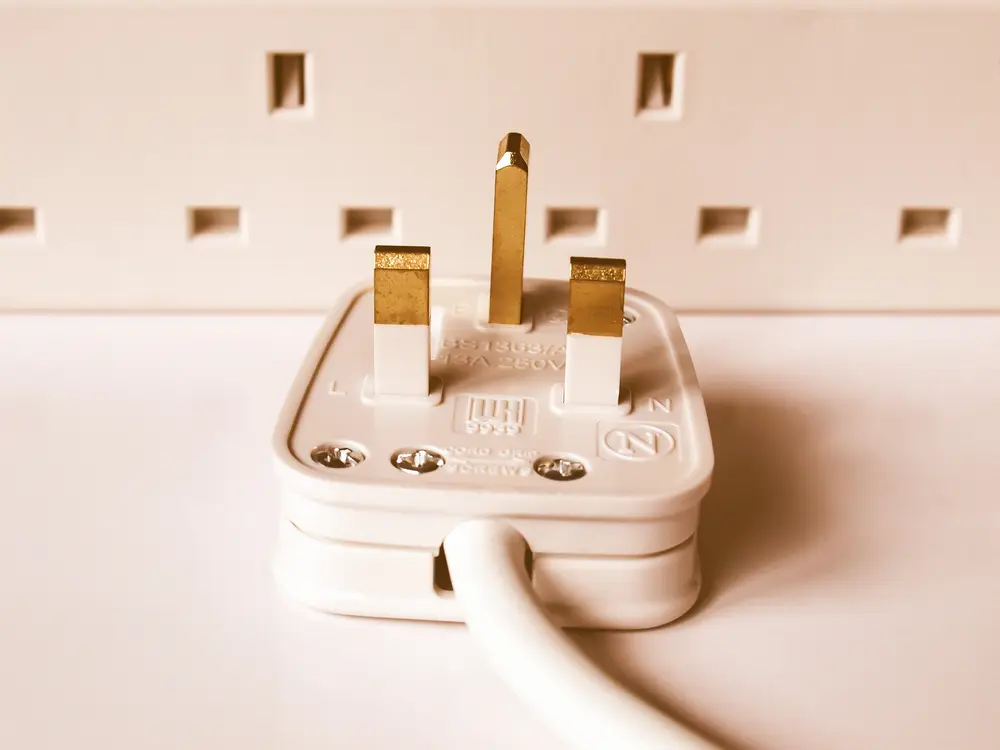
Is one extension lead safer than a plug adaptor?
Generally, a good quality extension lead with the correct fuse and cable rating is safer than stacking plug adaptors. However, neither should be used as a permanent fix for a lack of sockets. Extension leads can still be overloaded, especially if they are used with heaters, kitchen appliances or multiple high-demand devices.
Why does the same fuse or breaker keep going?
A breaker that keeps tripping is usually trying to protect the circuit. It may be caused by an overload, a faulty appliance, damaged wiring, moisture, a loose connection or another fault. Repeatedly resetting it without solving the cause is not a safe long-term answer.
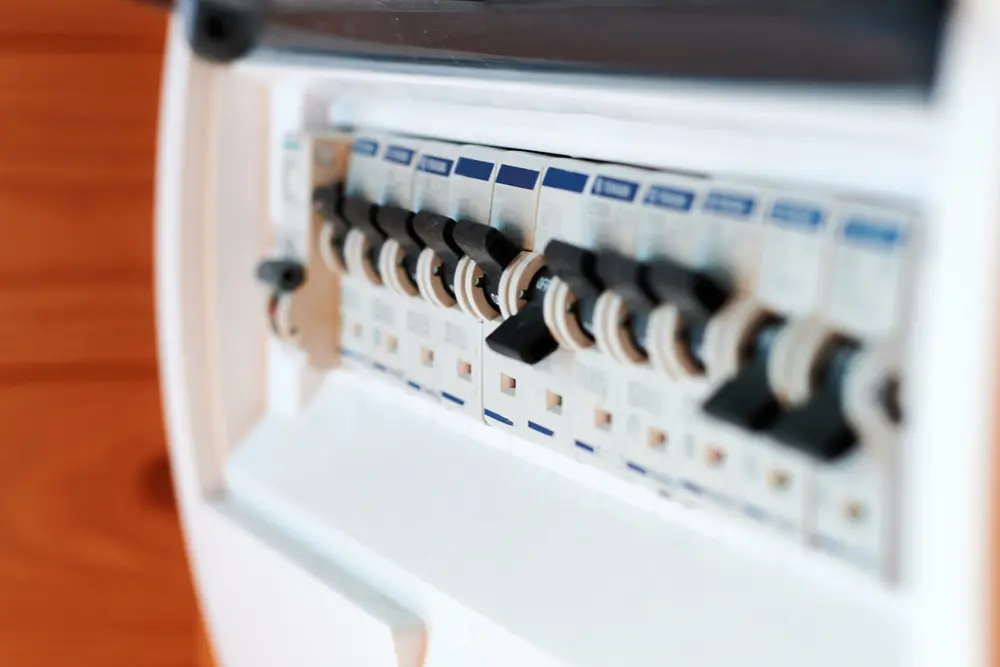
Can an old fuse box make overloads more likely?
An older fuse box may not suit the way a modern home uses electricity, especially if the property has added appliances, home office equipment or extra rooms over time. The issue is not simply age, but whether the system has the right protection, capacity and condition for current use.
Should I unplug things at night to reduce electrical risk?
It can help to unplug non-essential items, especially chargers, extension leads and appliances that do not need to stay on. The bigger priority is making sure sockets are not overloaded, cables are not damaged and high-powered appliances are plugged in correctly.
Are kitchen sockets more likely to overload?
They can be, simply because kitchens often have several high-demand appliances in use at once. Kettles, microwaves, toasters, dishwashers, washing machines and air fryers can all place heavy demand on the electrical system. If your kitchen electrics trip often, it is worth having the circuit assessed.
When should I call an electrician instead of just unplugging something?
Call an electrician if a breaker keeps tripping, a socket feels hot, you notice a burning smell, lights flicker regularly, plugs spark, or one part of the home seems to struggle with normal use. Unplugging things may reduce the immediate load, but it does not confirm the circuit is safe.